A UK scandal showed what happens when institutions fear reputational costs more than they fear rapists.

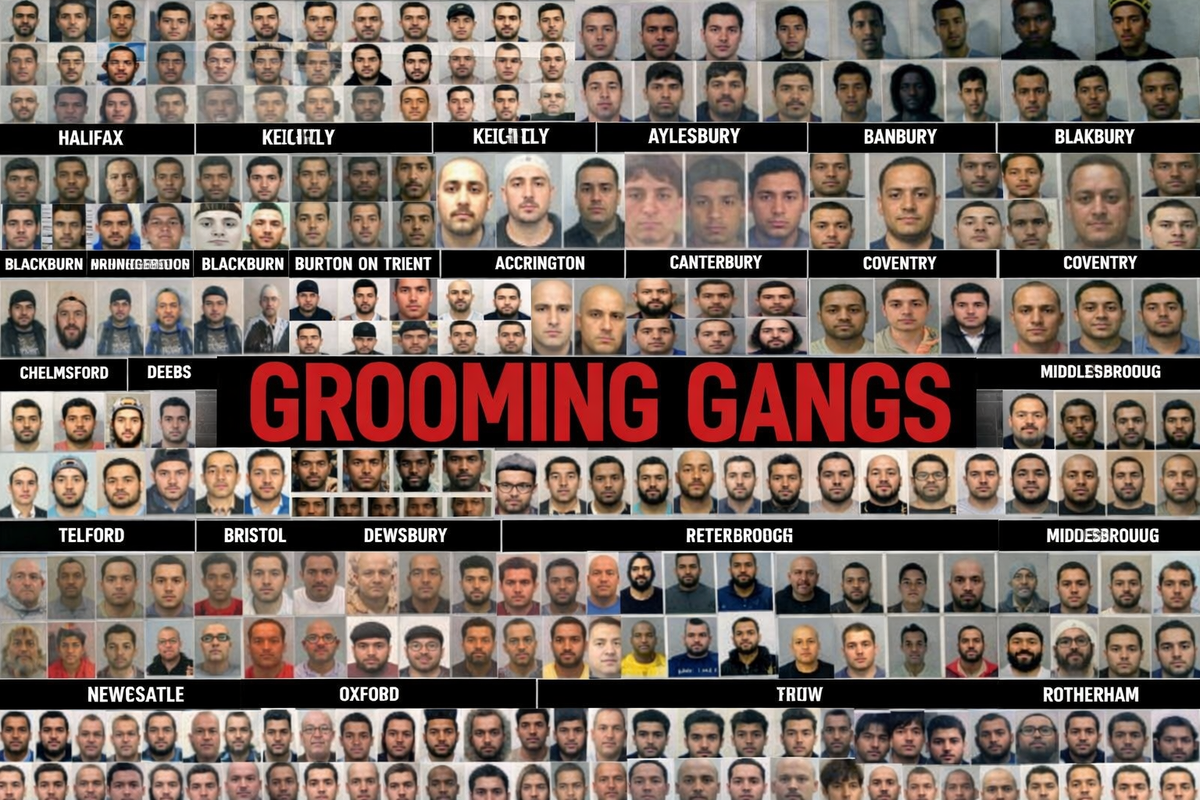
In August 2014, an independent inquiry in Rotherham concluded that at least 1,400 children were sexually exploited between 1997 and 2013 while police and the council failed, repeatedly, to stop it. The point was not that Britain “didn’t know.” It was that Britain knew and still did not act, because acting meant risk. Risk to careers. Risk to “community cohesion.” Risk of being called racist.
Britain’s grooming gangs scandal is attracting attention. It’s happened before, but now it seems different.
— Charlie Peters (@CDP1882) January 1, 2025
I’ve dedicated most of my career in journalism to covering it. Because it’s the most appalling atrocity in modern British history.
In this thread, I’ll tell you what I… pic.twitter.com/uGbmkv9JFg
On February 6, 2026, New York City signed Executive Order No. 13, “Protecting New Yorkers from Abusive Immigration Enforcement.” It frames “aggressive tactics” by “non-local law enforcement agencies” as a public-safety problem and anchors itself in the idea that trust in city institutions depends on limiting cooperation with civil immigration enforcement. Within hours, DHS said New York jurisdictions had 7,113 “criminal illegal aliens” in custody “with an active detainer” and portrayed the city as “a shield.”
So here is the central question. If predators learn that certain kinds of enforcement are politically disfavored, procedurally blocked, and reputationally toxic, what do they do with that knowledge. And what does the city do when the victims are poor, undocumented, frightened, and easy to ignore.
Rotherham’s inquiry described extreme violence and exploitation, and it described systems that treated the situation as a narrative-management problem as much as a child-protection emergency. That is the key exportable lesson. Predators are opportunists. Bureaucracies are incentive machines.
The UK did not suffer one failure. It suffered compounding failures. The abuse ran for years, the warnings were known, and the official response functioned as a brake on action, not a trigger for it. The inquiry’s “conservative estimate” of 1,400 victims between 1997 and 2013 is the kind of number a healthy system never permits itself to generate.
The other UK lesson is how statistical claims get used as weapons, then as excuses for inaction. A UK Home Office written answer summarized the Quilliam claim that “84% of 264 offenders convicted for grooming gang offences between 2005 and 2017 were Asian,” then explicitly warned the finding was not suitable for drawing conclusions due to unclear sampling and ethnicity categorization. That exchange is a template for paralysis. Numbers become radioactive. People stop asking operational questions because the argument becomes about whether the question itself is moral.
New York does not need to replicate the UK’s ethnic dynamics to replicate the UK’s institutional dynamics. The disaster mechanism is not “who.” It is “what happens when leadership makes enforcement visibly expensive, procedurally difficult, and socially punishable.”
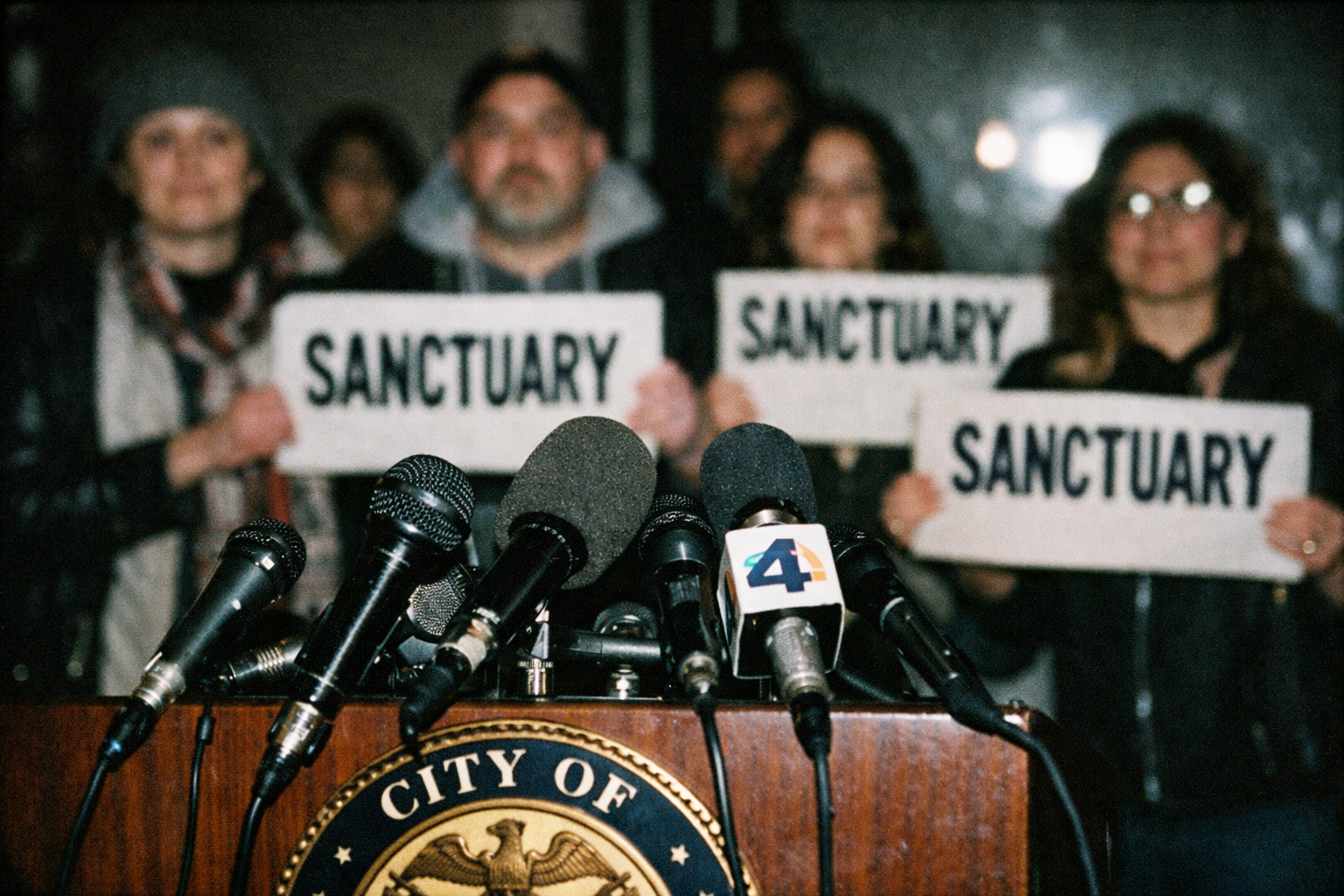
Executive Order 13 is not shy about its worldview. It says non-local agencies often pursue civil immigration enforcement “without a judicial warrant” and that these tactics “hinder public safety” by creating fear of interacting with city employees and deterring residents from accessing services. It also cites NYC Administrative Code section 4-210, which limits “non-local law enforcement” access to non-public areas of city property without a judicial warrant, including shelters and schools, except with authorization or emergency.
That is a coherent political project: maximize institutional trust by restricting federal access to city spaces and information. The problem is that coherent projects still have externalities. The city’s theory of safety is trust-first. DHS’s theory of safety is custody-first. DHS, via a named assistant secretary, claimed 7,113 “criminal illegal aliens” are in custody in New York jurisdictions with “an active detainer,” and demanded the city “allow ICE to take custody.”
A system can be built to minimize wrongful deportations and still prioritize the removal of violent offenders. But in practice, the more you harden a firewall, the more you bet on perfect sorting. You bet that your own jail and probation systems will identify, detain, prosecute, and incapacitate dangerous people without needing the immigration lever. You bet that victims will report. You bet that witnesses will cooperate. You bet that predators will not adapt.
Rotherham shows what happens when those bets lose. The victims did not get a second chance.
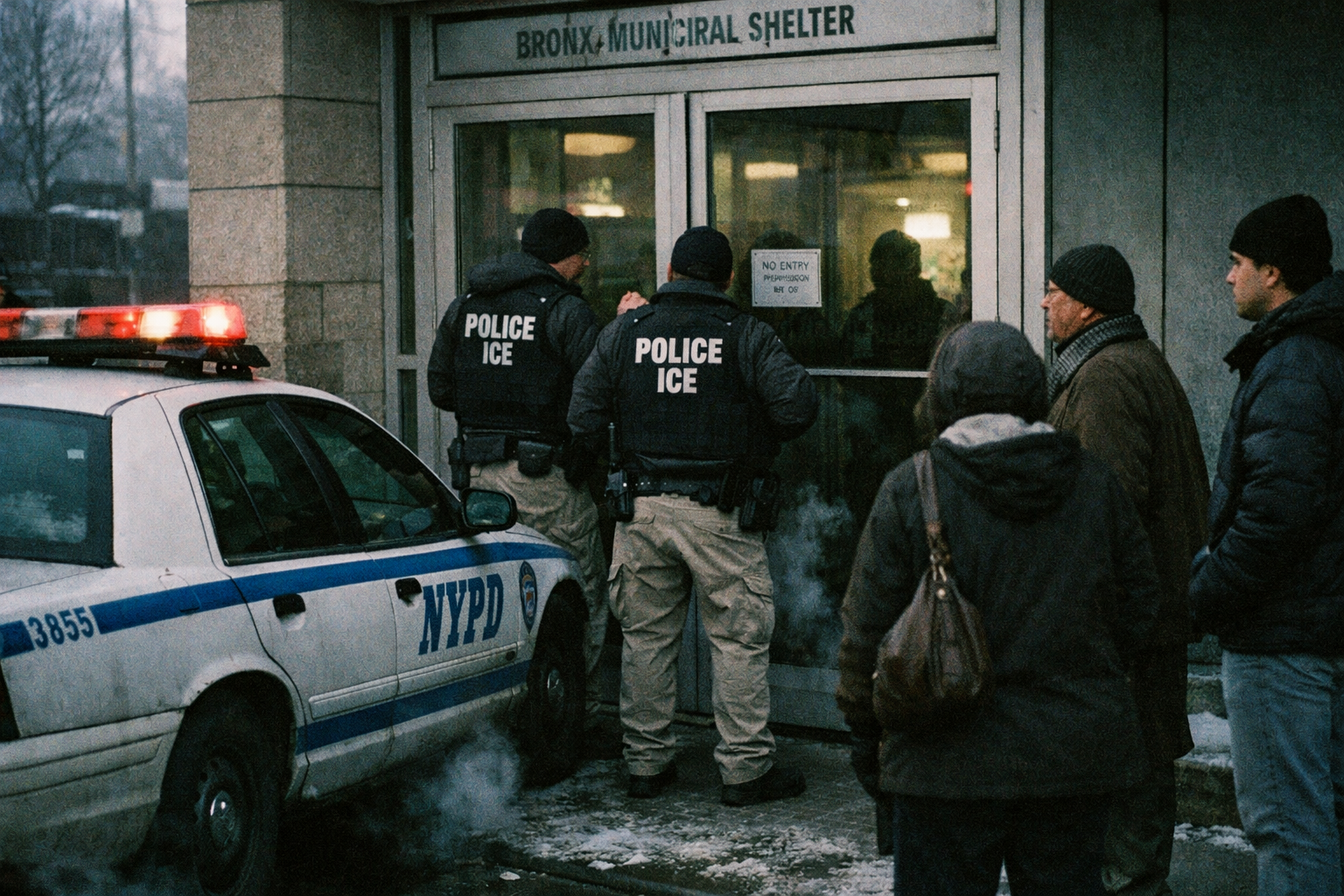
Grooming networks thrive where three conditions intersect: vulnerable targets, low reporting, and institutional hesitation. Rotherham’s inquiry put a number on what that intersection produces over time. New York’s current debate is sold as compassion versus cruelty. That is theater. The operational question is whether the city is creating predictable “known but untouchable” lanes for offenders.
The sanctuary framework is defended as a public-safety measure because it encourages undocumented people to report crimes without fear. That may be true for many law-abiding residents. But predators can exploit the same fear. They understand that the victim who will not talk is valuable. They understand that a jurisdictional fight between city and federal agencies creates seams. They understand that the loudest political incentives reward symbolic defiance, not quiet casework.
Now add transnational gang dynamics. In February 2026, federal prosecutors in the Southern District of New York charged 27 people described as members and associates of a Tren de Aragua splinter faction “Anti-Tren,” with charges that include “sex trafficking,” plus allegations connected to two Bronx homicides. The case description includes intimidation of potential witnesses and assistance to people seeking to evade prosecution, the classic enforcement-degrading toolkit.
This is the point where “sanctuary” stops being a moral slogan and becomes an environment. The city can claim it is protecting families from abusive enforcement. A criminal network can read the same policy as friction. More friction. More delay. More chances to recycle people through the system.
Rotherham’s institutional failure did not end with the abuse. It continued in the aftermath, when few officials faced consequences commensurate with the scale of neglect described by the inquiry. That is another exportable lesson. If the personal downside is minimal, institutional learning is slow. People do what the incentives reward.
Executive Order 13 explicitly situates city agencies, including the NYPD, Department of Correction, and Department of Probation, in the “trust” argument against federal tactics. That means the city is not merely tolerating a firewall. It is affirming it at the executive level as a public-safety doctrine. DHS is equally explicit that it views the result as “a shield,” and it supplies a specific figure, 7,113, for those it says ICE cannot access despite active detainers.
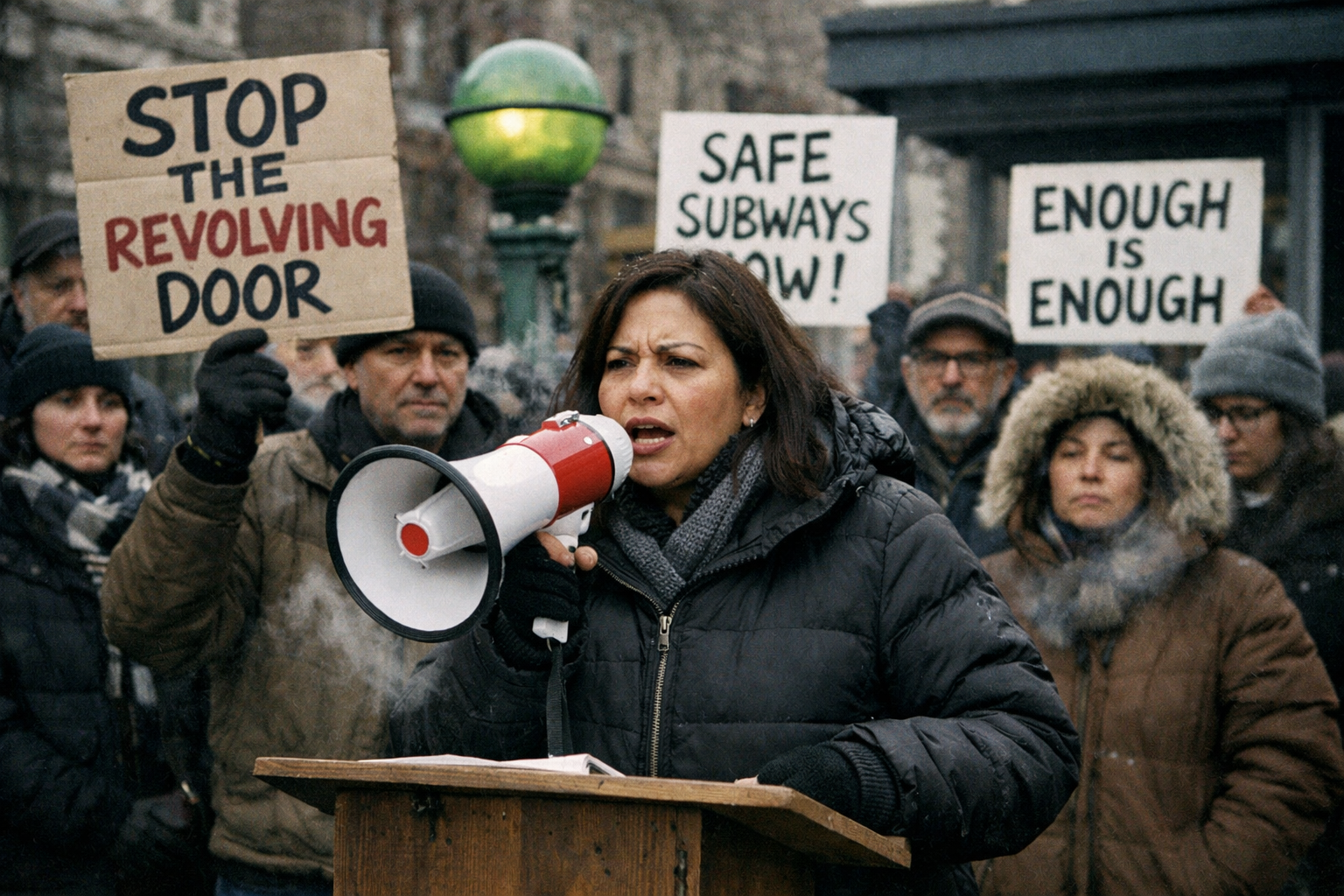
You can already see the future litigation logic because the elements are being documented in public, in real time. Policy choice. Warning. Quantified risk. Foreseeable harm. The UK’s survivors had to wait years for inquiries and admissions. New York is writing its own paper trail up front.
The press will tell you this is just partisan noise. But bureaucracies do not respond to noise. They respond to incentives, audits, and consequences.
Rotherham was not a “bad town.” It was a functioning institution that learned to treat reputational risk as more urgent than child rape. New York is now institutionalizing a doctrine that makes one kind of enforcement politically illegitimate and procedurally difficult, then calling the result public safety.
Maybe DHS’s 7,113 figure is inflated, mischaracterized, or politically massaged. Fine. Then the city should publish its own numbers, case outcomes, and release decisions in a form that can be audited. Because the real danger is not a slogan like “sanctuary.” The danger is a city that cannot answer, in public, how many dangerous offenders it released, why it released them, and what happened next.