
How a Ukrainian Workshop Solved the Pentagon's Stabilization Problem
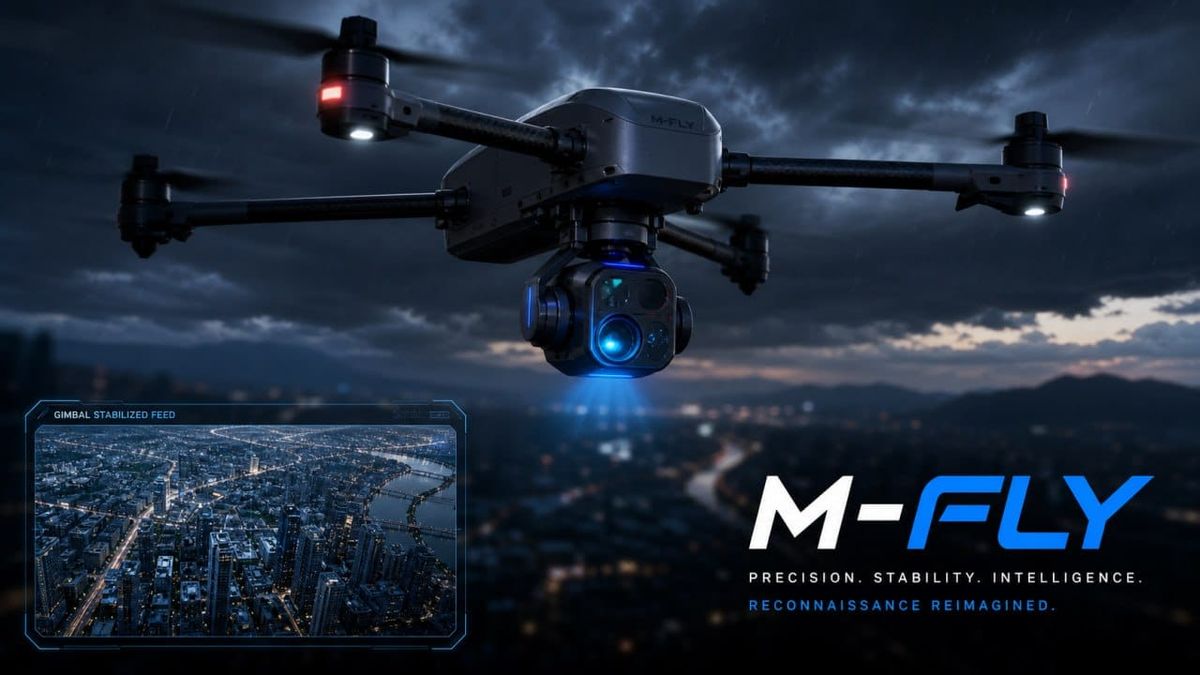
A Redwire-backed joint venture is bringing combat-validated optics onto American production lines. The deal answers a question DoD procurement officers have been asking for a decade.
In a workshop outside Kyiv, an engineer tightens a fastener on a 2.2-kilogram aluminum housing the size of a softball. Inside it: a stabilized electro-optical sensor that has logged more flight hours under electronic warfare conditions than any comparable system manufactured in the United States.
The device is an RB-220 gimbal, built by a Ukrainian firm called M-FLY. The Pentagon has spent close to fifteen years and substantial budget cycles funding domestic alternatives. None of them have lived through the conditions this hardware has faced every day since February 2022.
That is now changing. Through a joint venture with Edge Autonomy, the US drone-platform maker acquired by Redwire in 2025 for approximately $925 million, M-FLY's combat-validated stabilization technology is moving onto American production lines. The deal addresses a procurement problem the Pentagon has been spending heavily to solve. It has been validated by the people who actually fight with it.
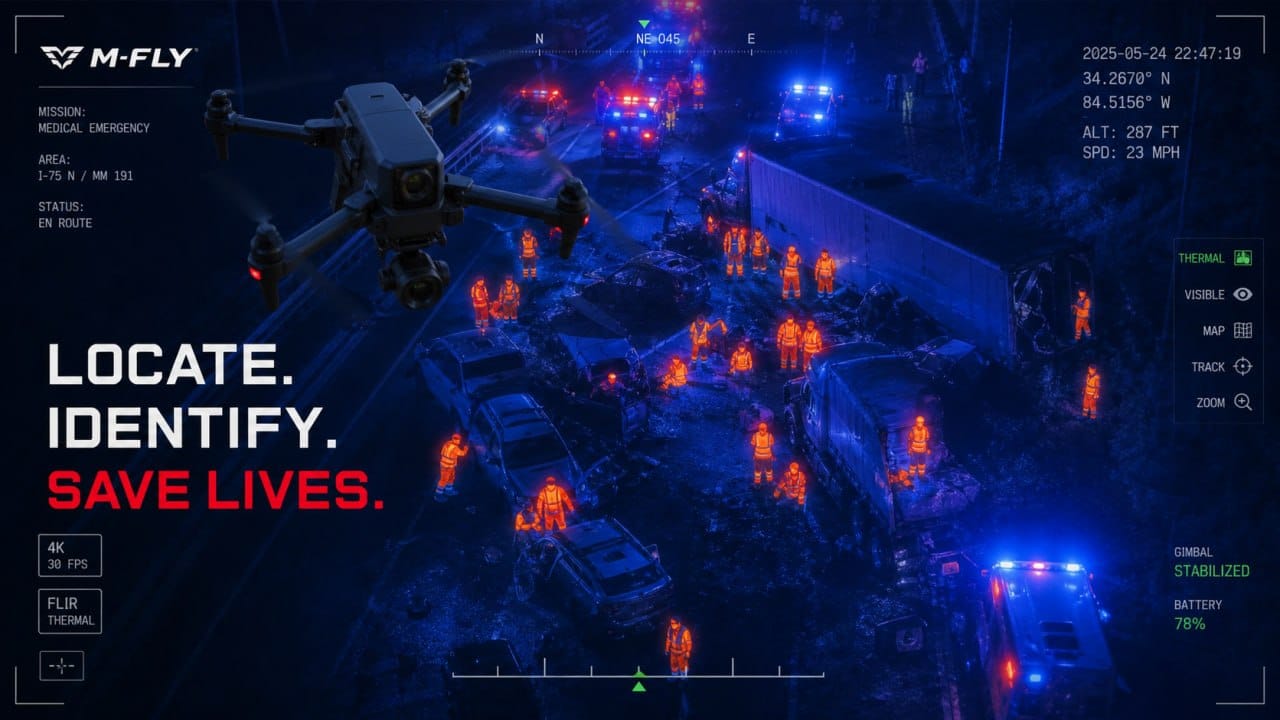
The problem is not new. US Group 1 through Group 3 unmanned aerial systems, the smaller tactical drones that do most of the work in modern ISR, were largely developed and tested against benign electromagnetic environments. When those same systems fly over contested airspace, the picture they send back fails. Stabilization breaks under sustained jamming. GPS denial throws geo-pointing off by hundreds of meters. High-G evasion maneuvers smear imagery into uselessness. The drone makes it back. The picture it carried does not.
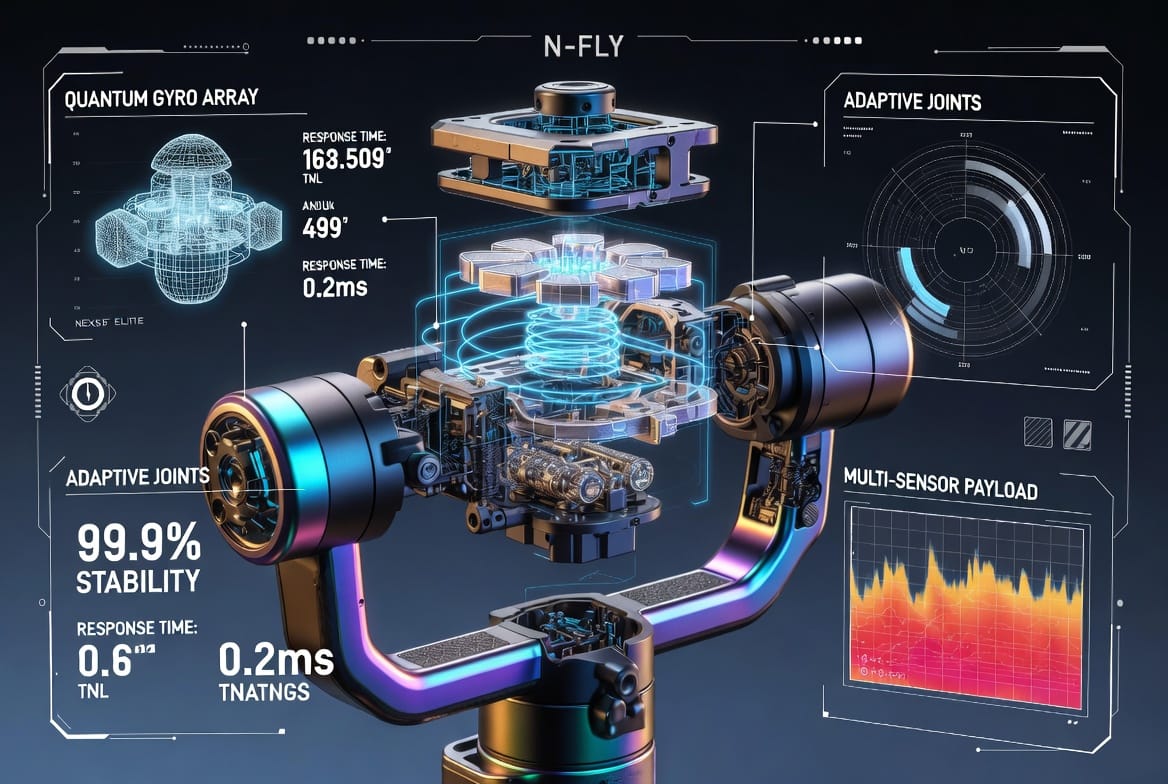
Ukrainian operators ran into all of this in the first ninety days of the full-scale war. Their solution was not theoretical. It was built in workshops by engineers working under deadline pressure that no DARPA program timeline replicates. M-FLY's RB-150 and RB-220 systems came out of that process. Both are stabilized gimbals carrying electro-optical, infrared, and short-wave infrared sensors plus laser designation capability. Both are deployed across Ukrainian military UAS platforms in operational quantities.
In December 2025, Brave1, the Ukrainian government's defense tech cluster, led a $1.4 million round in M-FLY. The financing was a signal as much as it was capital. Brave1 portfolio companies are by definition battle-validated. The round positioned M-FLY for the second, larger raise now underway.
The structural piece that makes the technology procurement-ready for the US market is the Edge Autonomy joint venture. Under the proposed terms, M-FLY holds 45 to 50 percent equity. Edge Autonomy contributes $8 to $15 million in capital and exclusive North American licensing. Manufacturing happens in the United States, in Edge's existing facilities. The JV controls sales into US and allied defense channels. Edge Autonomy's platform lines, the Stalker and Penguin UAS families, gain access to a payload that has been combat-tested on equivalents.
For Pentagon procurement, the JV solves three problems at once. The first is supply chain origin. ITAR compliance and US manufacturing remove the question of foreign dependency that has stalled hundreds of millions of dollars in Group 1-3 sensor procurement. The second is integration risk. Lab-developed payloads typically need 18 to 36 months to validate on a host platform. M-FLY's hardware has already done that work in operational conditions. The third is cost. Combat-iterated designs tend to converge on the simplest form that works, which is a different optimization problem than the one most US defense contractors are solving for.
The US-side leadership for the venture is being built out of New York. Leon Beker, the JV's business development lead, brings 25 years of consulting and executive experience across strategy, advisory, M&A, government, and defense ventures. He is a SPAC sponsor with a focus on battlefield innovation. His training was at Webster University in Geneva and Harvard Business School Executive Education. The marketing and business development function is led by Gene Mikhov, a New York-based investigative journalist and founder of The Unredacted. A demonstration suite in Manhattan will host technical briefings and live testing for primes, integrators, and government buyers through the second half of 2026.
There is a question the JV's leadership has been asked at every initial meeting, and it is worth addressing directly. The Ukrainian origin of the technology is not a vulnerability in the way some procurement officers initially assume. The JV is a US entity. The IP is licensed under terms that survive any change in conditions in Ukraine. Production happens stateside, with US personnel and US-sourced inputs. What Ukraine continues to provide is the design lineage and the operational data. What the JV provides is the supply, the compliance posture, and the integration path. The distinction matters.
The broader picture: a Pentagon that has been funding stabilization, EO/IR, and laser designation programs for more than a decade is about to be able to buy domestically produced systems that did not come out of those programs. The technology came out of a real war. The US manufacturing came out of a strategic JV. The combination is what defense buyers have been saying they want and have largely been unable to find.
The first technical briefings are running in New York this summer. Whether the Pentagon takes the deal is its decision to make. The deal exists either way.