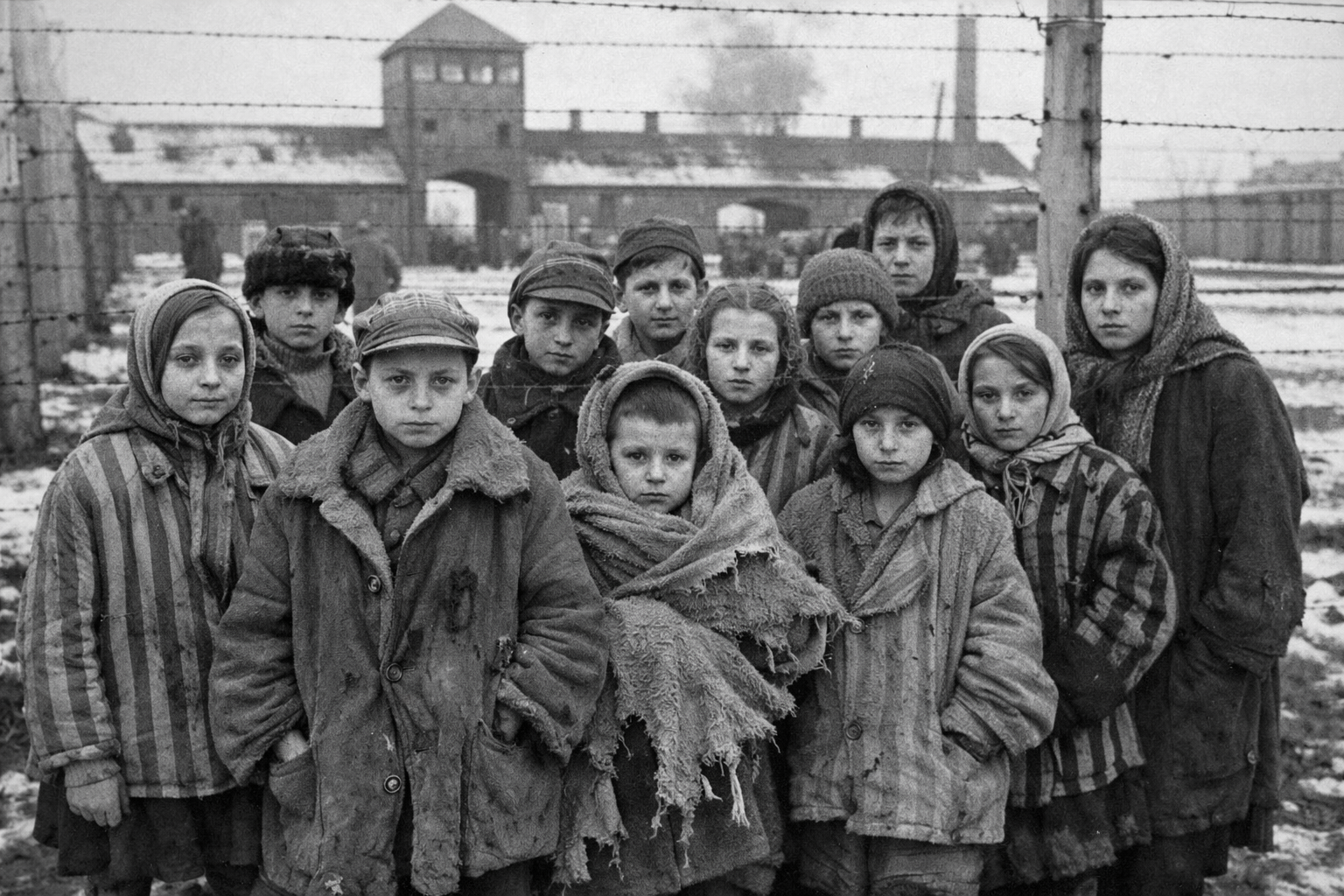
The Machinery of Legal Persecution


Bureaucratic Theft in Nazi Germany and Echoes in Modern Policy Debates
In this ongoing series, we explore the chilling efficiency of "cold Aryanization" in Nazi Germany—where paperwork, contracts, and courts dismantled Jewish economic life without the spectacle of violence. Drawing from verified historical records, we examine three emblematic cases: a retail empire, a publishing powerhouse, and a modest corner shop.
These stories reveal a playbook of economic exclusion that prioritized deniability, complicity, and profit over overt brutality. We then draw cautious parallels to contemporary U.S. political actions, such as those in early 2026 under New York City Mayor Zohran Mamdani, to highlight potential warning signs without implying equivalence.
Future installments will expand to additional historical precedents, legal analyses, and global comparisons, emphasizing the portability of such mechanisms in any society where identity-based policies erode equal protections.
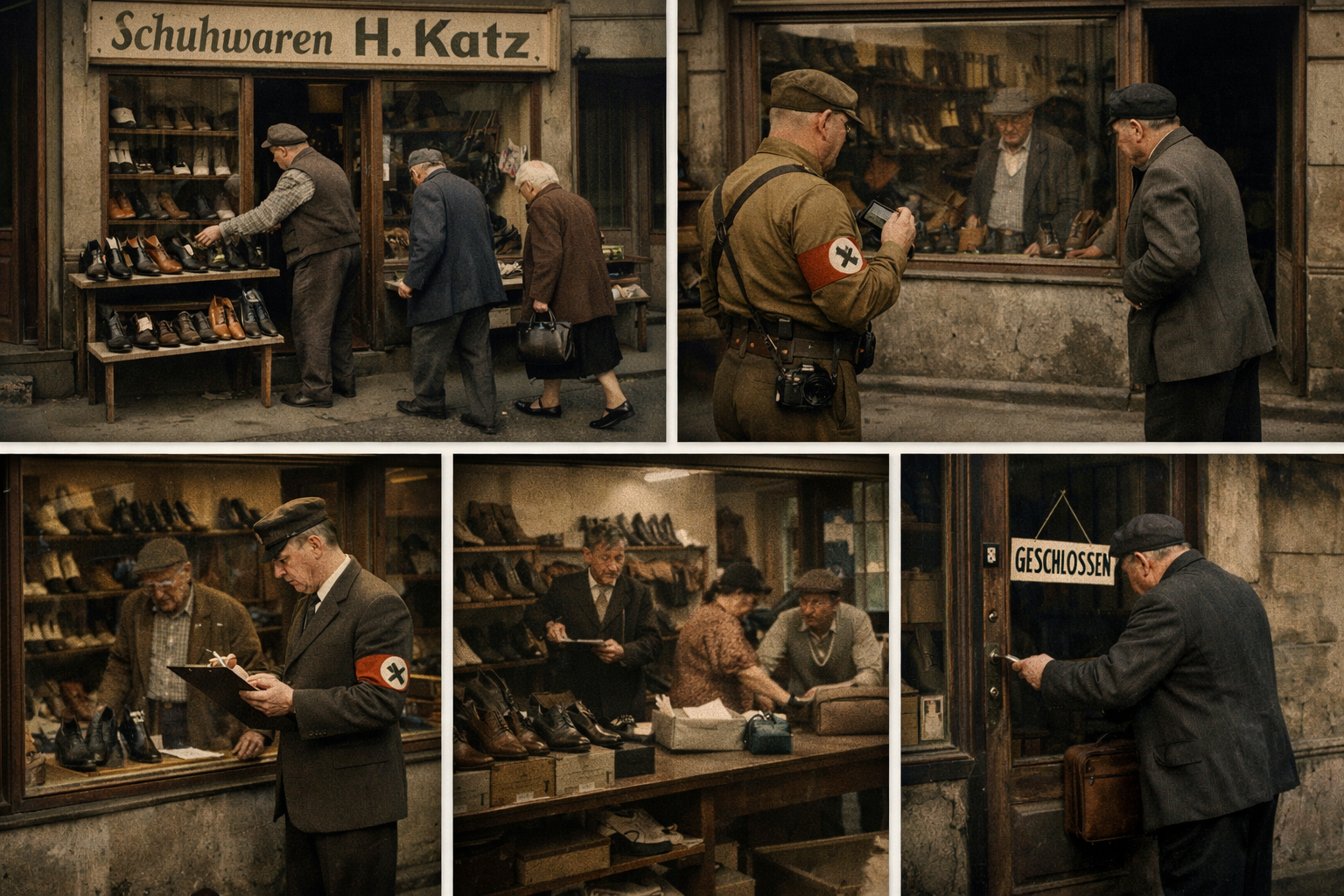
Nazi Germany's assault on Jewish economic participation began not with flames or fists, but with fountain pens and rubber stamps. From 1933 onward, the regime weaponized existing laws, banking systems, and courts to orchestrate what historians term "Aryanization"—the forced transfer of Jewish-owned assets to non-Jews at fractions of their value. This "cold" approach was deliberate: it minimized international backlash, enlisted greedy collaborators, and diffused blame across institutions. By 1935, thousands of businesses had been "legally" seized, paving the way for later atrocities.
In modern contexts, similar tools—executive orders, settlements, and policy reversals—can inadvertently or intentionally marginalize groups. For instance, in January 2026, New York City's new administration under Mayor Zohran Mamdani revoked orders adopting the IHRA definition of antisemitism and prohibiting BDS activities, actions framed by critics as reducing protections for Jewish communities. Supporters argue these moves protect free speech and address broader inequities, but they echo the Nazi-era tactic of redefining "morality" or "public sentiment" to justify exclusions. This series begins with the provided examples, verifying their facts while probing these uncomfortable resonances.
Hermann Tietz AG exemplified Jewish innovation in retail, growing from a single store in 1882 to over 100 outlets by 1933, employing 10,000 and rivaling European giants like Karstadt. The Tietz family's empire was a symbol of middle-class aspiration: art deco grandeur, innovative shopping experiences, and community hubs for everyday life.
The Nazis, wary of economic disruption, avoided outright seizure. Instead, in early 1933, banks abruptly withdrew credit lines essential for inventory, equivalent to cutting off oxygen in retail. Facing bankruptcy, the Tietz brothers sought a 14-million-Reichsmark loan. Reich Economics Minister Kurt Schmitt conditioned approval on removing Jewish leadership, framing it as a "voluntary" restructuring.
The shares were sold at about 30% of their value, with proceeds funneled into blocked accounts, allowing minimal withdrawals. Emigration taxes, such as the Reichsfluchtsteuer, further eroded funds, leaving the family with 4-6% of its original value. Renamed Hertie (from HERmann TIEtz), the company thrived under "Aryan" director Georg Karg, who profited immensely into the postwar era.
This "paperwork heist" maintained business continuity while enriching collaborators. A modern parallel might be seen in financial pressures or settlements targeting specific groups. In 2026, Mamdani's administration announced a $2.1 million settlement with landlord A&E Real Estate for tenant harassment across 14 buildings, redirecting funds toward repairs and protections. While aimed at affordability, critics frame it as selective enforcement, though no ethnic targeting is evident—unlike the Tietz case's explicit antisemitism.
Perfect paperwork. Perfect theft. The international business press barely noticed.