Nobody's watching: how New York's staged-crash industry stole $300 million in plain sight
In NYC you can stage an Uber crash with your family, use one shared iPhone, get $47k for a paint scrape. Arbitrator calls it staged? Still get paid. Trial lawyers and pols keep the scam alive while ATIC loses $700M in one quarter. Drivers and passengers foot the bill. This is legalized looting.

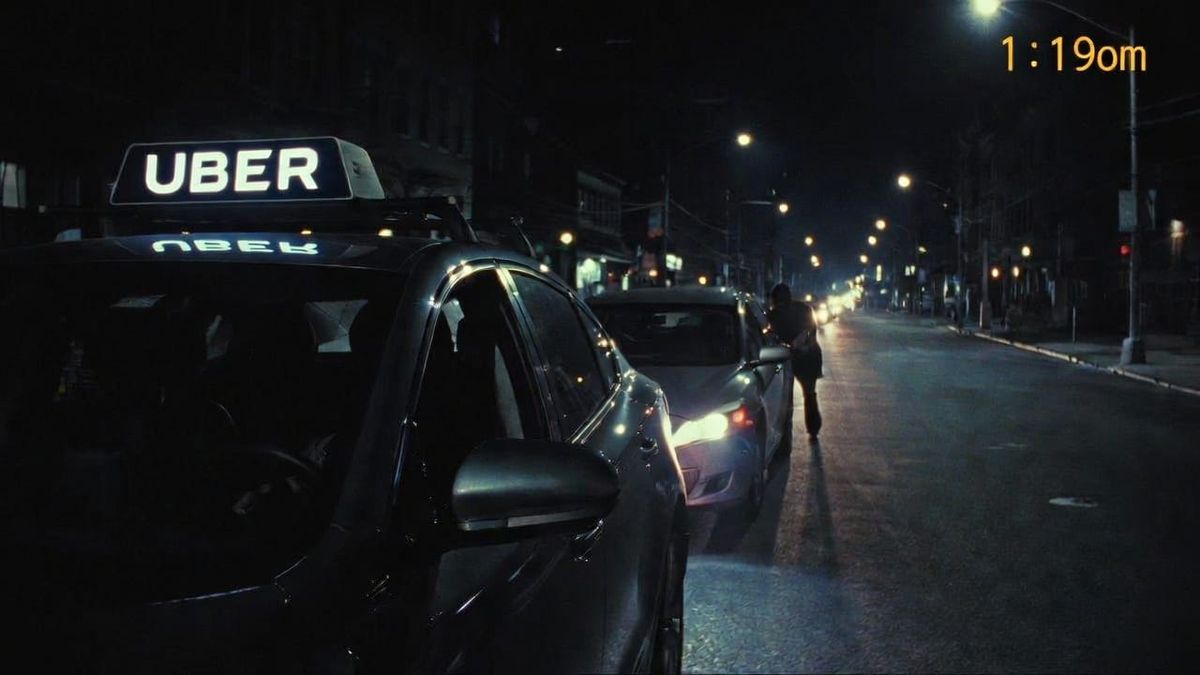
Here is how you steal $300 million in New York City without anyone stopping you. You order an Uber. A friend finds the car and taps it. You claim serious injuries. The money arrives. You do it again two weeks later, then again the month after that. The only infrastructure you need is a shared iPhone, a Brooklyn address, and a working knowledge of the fact that New York's no-fault insurance system pays claimants faster than anyone audits them.

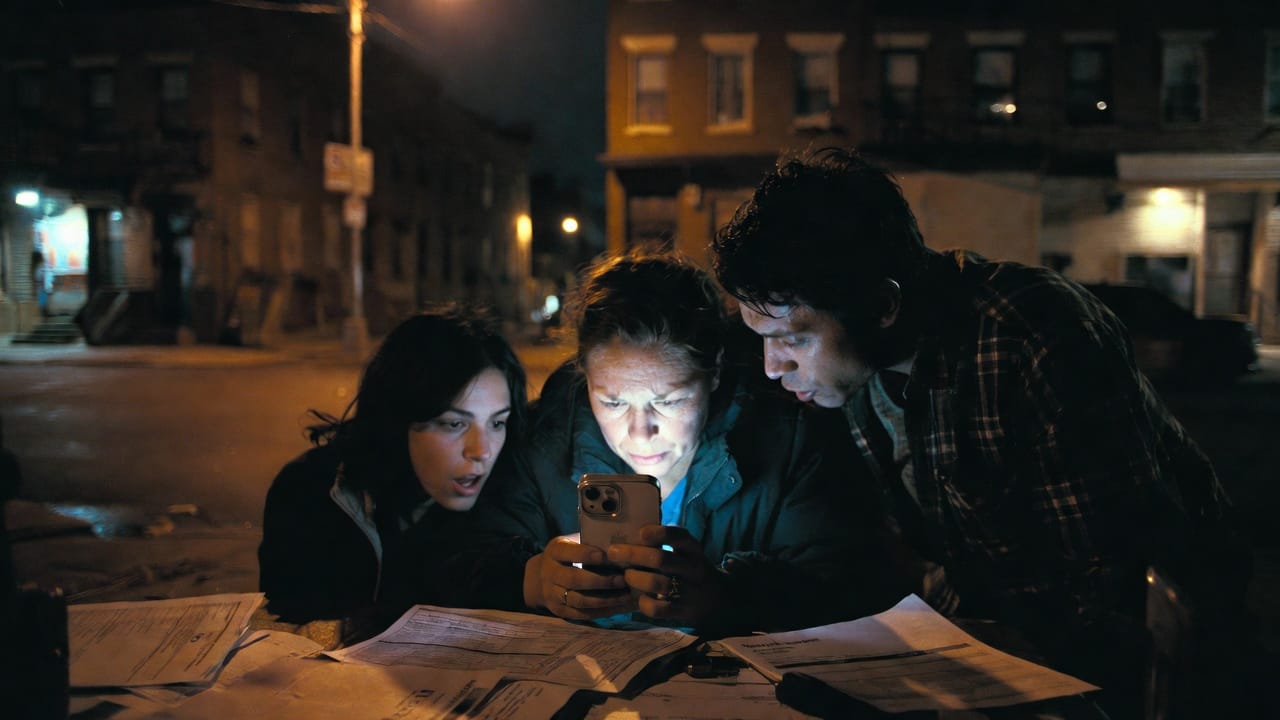
That is the case Uber laid out Tuesday in a federal lawsuit filed in Brooklyn against Georgette Powell of Canarsie and twelve co-defendants. Powell allegedly filed three staged crash claims in a roughly two-month stretch in 2023. Her son filed claims. Her nephew filed claims. Her boyfriend filed claims. The phone number, bank account, and shared iPhone 14 used to book every ride all traced back to the same Canarsie address. An independent arbitrator who reviewed the October 2023 incident found the crash was staged, noted a pattern of repeat filings, and still saw Powell collect roughly $47,000 on an incident where the photographs showed a few paint scrapes.
The largest single payout connected to the scheme was nearly $110,000, from a ride that began at 1:19 in the morning in Lynbrook, Long Island. Half of the eight alleged staged crashes in the suit happened within two minutes of the ride starting.
No regulator stopped this. No insurer flagged it before the payouts cleared. A plaintiff's arbitrator spotted the pattern and said so in writing, and Powell was still paid. The system did not fail here. It worked exactly as it was designed to work, which is the actual problem.
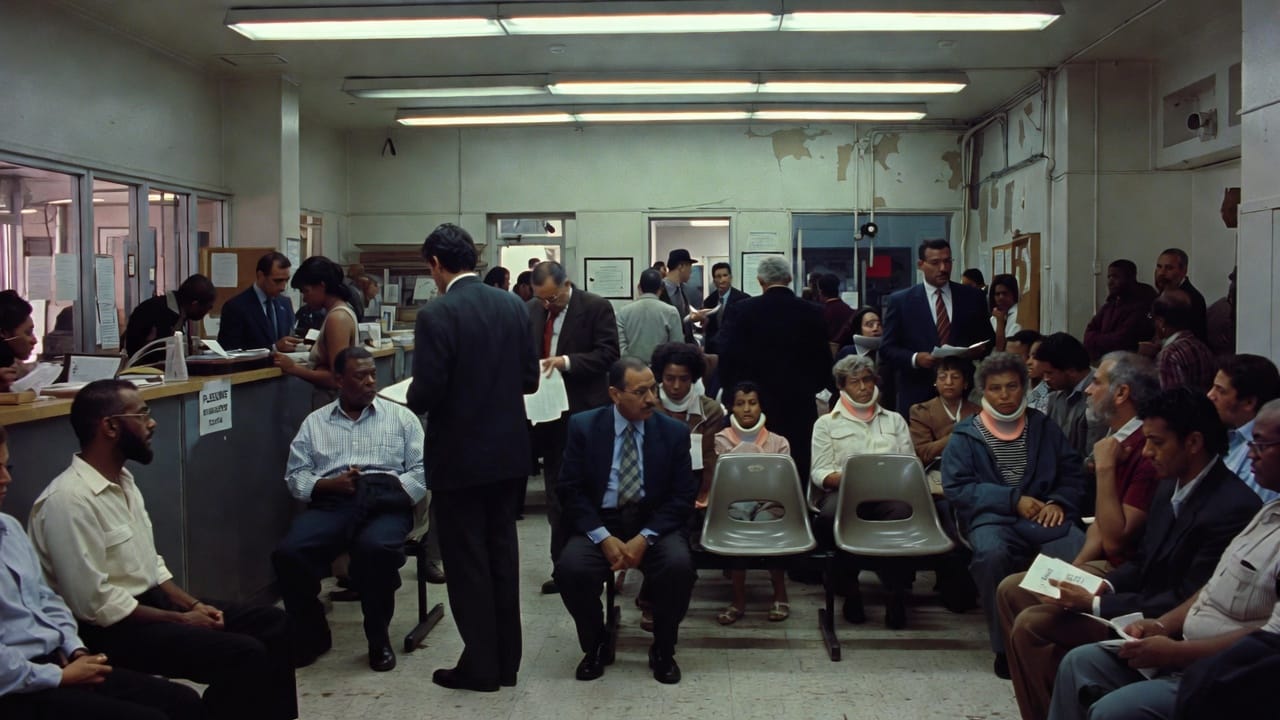
One week before the Uber lawsuit, FedEx filed a 92-page RICO complaint in Manhattan federal court against the Ikhilov Law Group and its owner, Brooklyn personal injury attorney Zorik "Erik" Ikhilov. What FedEx describes is the professional-grade version of the same racket. A FedEx driver taps a bumper at a red light. No ambulance is called. The photographs show nothing worth documenting.
Two days later the claimant is at a doctor in Ikhilov's referral network, diagnosed with injuries that bear no relation to a low-speed tap at a stoplight. The treatment escalates from a chiropractic visit to injections to spinal surgery, the entire sequence financed by a loan from a firm inside the same network, with kickbacks flowing back to the doctors who signed off on procedures the patients may not have needed or even wanted. The lawsuit states plainly that the staged accidents, the medical referrals, and the rapid escalation to surgery all served a single purpose: manufacturing the legal prerequisites needed to file a personal injury action against a company with deep pockets.
"The staged accidents, coordinated medical referrals, and rapid escalation to injections or surgeries all serve a single purpose — manufacturing the statutory prerequisites necessary to commence a personal injury action." — FedEx complaint, Manhattan federal court

Ikhilov, while clients were allegedly being routed into unnecessary spinal operations, posted on Instagram about receiving a custom office chair from "1-800-Accident" with his initials on it. When a reporter called a number listed for him, a man answered, said something unintelligible, and hung up.
The question these two cases raise is not whether fraud exists in New York's no-fault insurance system. Every serious person in Albany already knows it does. The question is who benefits from the absence of meaningful enforcement, and why the legislature keeps handing them cover.
The structure of the system makes the fraud almost inevitable. New York City requires rideshare drivers to carry personal injury coverage of up to $200,000 per incident, nearly four times what most states mandate and almost seven times the $30,000 floor for personal vehicles. In New York and California, Uber is required to carry $1 million in liability coverage per trip. The gap between what a minor collision actually costs and what the law requires carriers to make available is where staged-crash operations live. That gap has been written into state law for years, and the people who profit from it spend heavily to keep it there.

American Transit Insurance Company, which covers roughly 60 percent of New York City's 120,000 for-hire vehicles, reported approximately $700 million in net losses in the second quarter of 2024 and is now under state scrutiny for statutory insolvency. ATIC blames fraud. ATIC also filed its own $450 million racketeering suit in December against doctors and medical providers for no-fault fraud. When the city's largest taxi insurer is insolvent and suing the same kinds of defendants as Uber and FedEx, the scope of what has been allowed to fester becomes clear.
Uber stopped waiting for regulators to act. The company has filed RICO lawsuits in New York, Florida, California, and Pennsylvania against law firms and medical clinics it accuses of running schemes like the one FedEx describes. Its general counsel has said publicly the company intends to see these cases through rather than settle them out. Insurance premiums now account for as much as 45 percent of the cost of a rideshare fare, a figure that lands directly on drivers and passengers. Uber has also joined a lobbying coalition pushing for interest rate caps and disclosure rules on the lawsuit lending industry, which finances much of the litigation that drives costs higher.
Governor Hochul has been making the same argument in Albany, where it has accomplished almost nothing. Her proposal would narrow the legal definition of a serious injury to cut down on fraudulent claims, cap damages for uninsured drivers, and limit what drivers convicted of felonies can collect after accidents they caused. The legislature has blocked it. Assembly Speaker Carl Heastie said accidents happen and people shouldn't lose compensation rights just because a crash was their fault. Senate Deputy Majority Leader Mike Gianaris said the proposal does not guarantee that insurance companies will pass savings to drivers. Both statements contain a grain of truth. Neither explains why the current arrangement, which demonstrably funds fake spinal surgeries and pays five figures on cars with paint scrapes, is the morally superior alternative.
The New York State Trial Lawyers Association has been fiercely opposed to any reform. This is not a surprise. The association's members file the cases. They collect the contingency fees. Their business depends on the gap between what New York law requires insurers to hold and what a fender-bender actually costs. They have deep relationships with the legislators blocking the governor's bill, built over decades of campaign contributions and targeted political giving. The fraud does not persist because nobody notices it. It persists because the people positioned to stop it get paid not to.
The Canarsie address where the shared iPhone lived, and where several defendants in the Uber suit are listed as residents, is still there. So is the law that made the whole thing possible.
The Unredacted covers what New York's institutional press won't. Independent, no access journalism. If this kind of accountability reporting matters to you, share it or subscribe.