Iran Is Not Negotiating. It's Bidding.
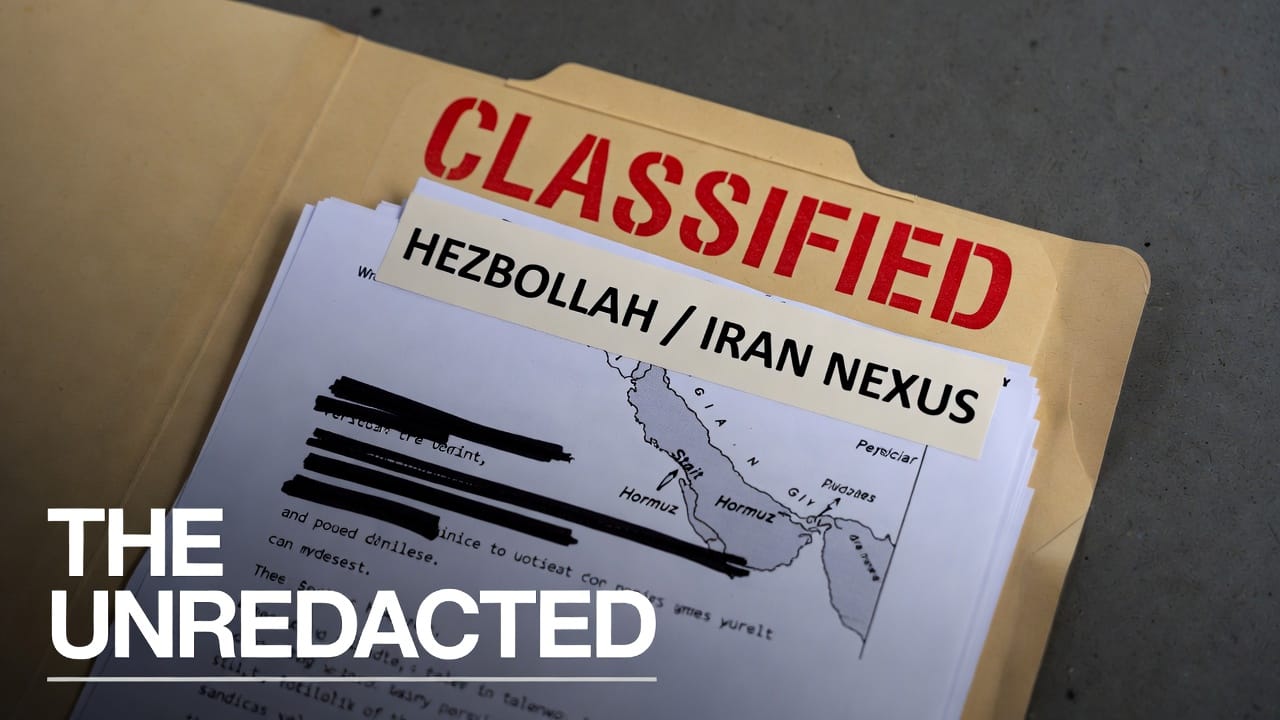
Tehran has turned Hezbollah into a holding card, the Strait of Hormuz into a price floor, and the Biden-era nuclear framework into a distant memory. The question is whether Washington knows it's being played

Tehran has turned Hezbollah into a holding card, the Strait of Hormuz into a price floor, and the Biden-era nuclear framework into a distant memory. The question is whether Washington knows it's being played.
The war is four months old and Iran is still setting the terms. Abbas Araqchi, Tehran's foreign minister, went on Al Mayadeen Thursday night and said it plainly: "This war will end only when it ends in Lebanon as well." That is not a peace overture. That is a precondition.
The sequence matters. The United States and Israel launched strikes against Iran on February 28. Within 48 hours, Hezbollah opened a second front from Lebanon, announcing it was acting in solidarity with Tehran. That was not a spontaneous act of regional sympathy. That was coordination. Hezbollah exists because Iran built it, funds it, arms it, and directs it. The Lebanese militia is not an independent actor that made a sovereign choice. It is a forward-deployed Iranian proxy.
Now Iran is demanding that any agreement with Washington include an Israeli withdrawal from southern Lebanon and a cessation of hostilities there. Hezbollah was not party to the US-brokered pact between Israel and the Lebanese government. Naim Qassem, the Hezbollah leader, rejected that deal outright. Iran is treating his rejection as its own veto. Araqchi's comments and Mohsen Rezaei's statement, that Hezbollah "has made great sacrifices" and Iran remains "firmly committed" to it, are not diplomatic boilerplate. They are statements of price.
BREAKING:
— Visegrád 24 (@visegrad24) March 4, 2026
Iranians laugh as they watch the most intense airstrikes yet against regime targets in Tehran.
It shows how hated the regime is. Just the thought of IRGC and Basij militia members getting a visit from a B-2 makes most Iranians very happy. Seeing it is even better pic.twitter.com/J77J5G5S6E
The Strait As Leverage
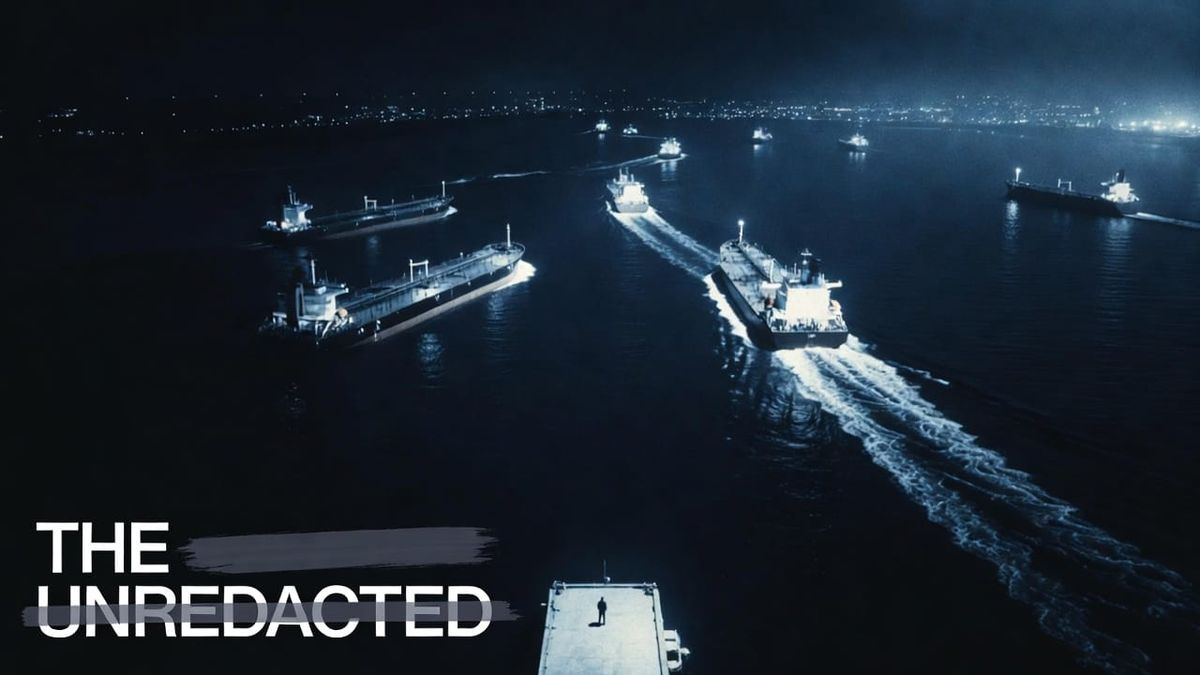
The indirect negotiations between Washington and Tehran are supposed to be about halting the war and restarting shipping through the Strait of Hormuz. Before February, the strait carried roughly a fifth of global oil and liquefied natural gas supplies. Since Iran largely stopped shipping through it after the strikes, trade through the waterway has fallen to a fraction of its former levels. Oil prices are up. Supply chains are fractured. The UN World Food Programme warned Friday that rising fuel and transport costs are pushing millions of people closer to hunger.
Tehran knows exactly what it is sitting on. Hamid-Reza Haji Babaei, the Iranian parliament's deputy speaker, said Friday that Iran's "most powerful atomic bomb" is the Strait of Hormuz. That is not a metaphor. That is the negotiating position, stated aloud.
"Iran's most powerful atomic bomb is the Strait of Hormuz." — Hamid-Reza Haji Babaei, Iranian parliament deputy speaker, June 5, 2026
What Iran wants in exchange for opening the strait and standing down Hezbollah is substantial. Access to billions of dollars in frozen oil revenue. Waivers on sanctions covering crude exports. Lifting of the US blockade on Iranian ports. And leverage over the strait itself, meaning any future agreement would formalize Iran's ability to use the chokepoint as a weapon again whenever it chooses. Trump has also said his top priority is stopping Iran from acquiring nuclear weapons. Tehran's position, repeated Friday by Babaei, is that uranium enrichment is Iran's right, full stop. The nuclear file is being pushed to later negotiations that may never happen.
Over 400 cities across Iran
— Ahmed Khalifa (@_A_khalifa) May 28, 2026
took to the streets in protests
against the Islamic Republic.
The IRGC & Basij opened fire
with heavy weapons and killed
around 40,000 Iranians
in just a few days…
NEVER FORGET! pic.twitter.com/A9jgbOQW5G
The Proxy Shield
The structure here is not complicated. Iran launched a war, took damage from US and Israeli strikes, and is now using its proxy network to avoid paying full costs for that war. Hezbollah is the shield. As long as Hezbollah keeps fighting in southern Lebanon and as long as Iran insists that Lebanon must be part of any deal, Washington faces a choice: either pressure Israel to withdraw from Lebanese territory it currently occupies, or accept that no deal gets done.
Israel has already answered that question. The IDF launched ground operations in the Beaufort Ridge and Wadi al-Saluki areas to dismantle Hezbollah infrastructure. Israeli airstrikes have continued hitting towns across southern Lebanon. The Israeli government has said its forces will not withdraw or halt operations. There is increasing friction between Jerusalem and Washington over this. Lebanon's parliament speaker Nabih Berri, a Hezbollah ally, said Friday he would accept the group's withdrawal from the south only if Israeli forces left simultaneously. That formula hands Hezbollah a veto over any settlement.
Iran's navy added another layer Friday, firing warning shots at US destroyers in the Gulf of Oman. Tehran said the shots were to counter American "maritime mischief." US forces, meanwhile, boarded an oil tanker in the Indian Ocean and said they would continue blocking vessels providing material support to Iran. An alleged drone attack temporarily suspended oil loading at the Mina al Fahal terminal in Oman before operations resumed. The region is not de-escalating. It is running parallel crises with overlapping tripwires.
What The Deal Actually Looks Like
The interim framework being negotiated is designed to leave the hard questions for later. Nuclear program. Sanctions architecture. Regional influence. All of it deferred. What the deal would actually accomplish in the near term is a halt to direct hostilities, a reopening of the strait, and a cash infusion for Tehran. In exchange, Iran would agree to dial back its proxies and return to some version of normalized shipping.
The problem is that the Hezbollah precondition breaks that framework. If Iran insists that Lebanon must be resolved before any deal is signed, and if Hezbollah is rejecting the US-brokered Lebanese government pact and Israel is not withdrawing, then the interim deal is stuck. Trump faces domestic pressure. The war is unpopular. He wants a win. That gives Iran more leverage, not less.
The Islamic Republic has been doing this for forty years. It creates a crisis, uses proxies to complicate any resolution, extracts concessions in exchange for partial de-escalation, and preserves the core infrastructure for the next crisis. Hezbollah is not a separate problem that can be solved after the Iran deal. Hezbollah is the Iran deal. Tehran will not separate the two because separating them would cost Iran its primary coercive instrument in the Levant. Washington can negotiate as long as it wants. The terms will not improve.
Related Investigations
Candace Owens and SPIEF: What the St. Petersburg Connection Tells UsActive Measures: How Russia Weaponizes the American RightPeople's Forum, Cosecha NJ, and the Cuba-China Funding Trail Behind ICE Protests
Sources: Reuters, June 5, 2026. Al Mayadeen (Araqchi remarks). Mehr News Agency (Rezaei remarks). UN World Food Programme statement, June 5, 2026. IDF operational announcements.