The man who wanted snipers on the White House lawn came from nowhere on paper
Abraham Hermosillo Alvarez allegedly directed a five man cell to put snipers around a UFC card on the White House grounds. Five days later, his immigration status and country of origin remain undisclosed.

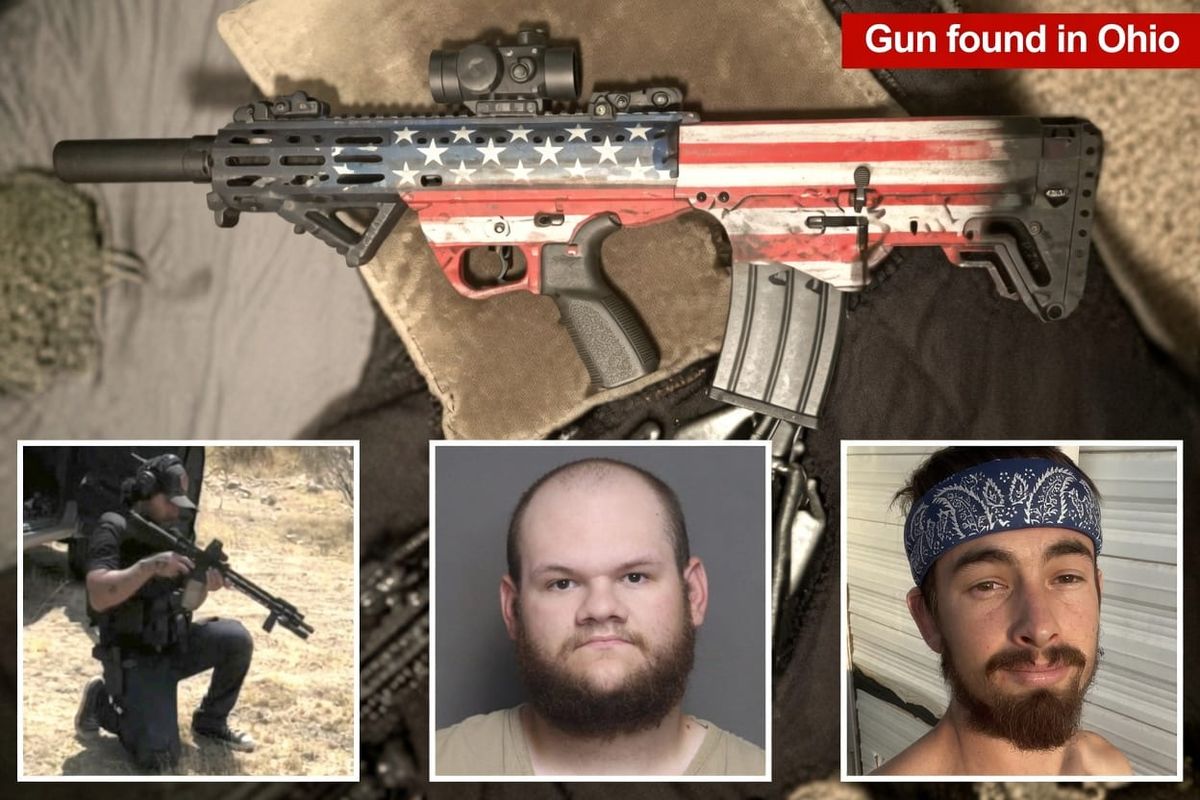
Omaha, Nebraska, is not a way station. It is where Abraham Hermosillo Alvarez, 31, allegedly drew the operational plan for a mass casualty attack on a UFC card hosted on White House grounds, then directed four other men, scattered from Ohio to California, on where to put the snipers.
The Justice Department's account of the plot, filed in a criminal complaint and laid out in a press release on Sunday, names Alvarez as the man other conspirators called Shepherd in an encrypted group chat. The complaint says he was the one assigning sectors. Drones loaded with explosives would force an evacuation of the event, scheduled for Sunday at the White House. Snipers, positioned by Alvarez's own instructions, would then fire into the crowd running for the exits.
The other four men charged alongside him have addresses that read like a census tract: Tycen C. Proper, 19, of Danville, Ohio. Bryan Omar Roa, 24, of Calimesa, California. Michael Alan Thomas, 32, of Pinon Hills, California. Daniel K. Eskridge, 32, of Kidder, Missouri. Alvarez is the one whose biography does not resolve. He consented to a consular notification at his initial court appearance on Tuesday, a procedural step required when an arrested person is a foreign national, so that his country's consulate can be told he is in custody. Nebraska Public Media reported the notification. Neither his country of origin nor his immigration status had been made public as of Tuesday.
That single administrative fact, a foreign national directing a five man cell aimed at federal officials on the South Lawn, is the part of this story that has not been run down. Everything else about the plot's mechanics is, by comparison, well documented.
A mother's tip, then a map of the South Lawn
The case did not start with a wiretap or an informant. It started with Tycen Proper's mother. She went to law enforcement, according to an FBI agent's affidavit, because she was alarmed by her son's firearms purchases and the people he was talking to online. Proper is 19. On June 11, three days before the event, he told investigators he had been planning a coordinated attack on the federal government to take place during the UFC card on the White House lawn.
A search of his home in Danville turned up boxes of spent ammunition, spent cartridge casings, and tactical clothing. A search of his phone turned up Signal group chats laying out the plan in detail, including what the affidavit calls detailed imagery of the National Capital Region, with sniper locations and drone launch points marked.
Alvarez's own message to the group, quoted in the complaint, reads like a man briefing a unit: he told conspirators to position teams at marked points for counter sniper and drone work, to take the long range shot from a circled area, and laid out an easy exit route into the river. He also pushed the others to build as many explosive drones as deadly as they could manage, and gave directions to a church in Nebraska designated as a safe zone and pickup point.
Grievance as recruitment pitch
The affidavit describes Proper as expressing ultra religious and antigovernment views, tied to grievances about government corruption, the handling of the Epstein files, and data centers draining local water supplies. His mother told investigators the online relationships had pushed her son deeper into religion, and that she believed the people he was talking to were using that religion to manipulate him.
That detail does the work the rest of the document leaves undone. It describes a recruitment pattern: an older, more operationally fluent figure cultivating a 19 year old through religious and political grievance, then handing him a role in a plot to kill federal officials. The complaint names Alvarez as the one doing the planning and directing. It does not yet say who or what radicalized Alvarez, or how a man with an apparently undisclosed immigration status ended up running point on an attack aimed at the White House grounds.
The Justice Department says the network under investigation runs to 23 people. Five are in custody. Alvarez is due back in court on June 24 for a preliminary hearing, the day after New York City's Democratic primary, an event with its own security planning headaches and its own unresolved questions about who gets vetted and who does not.
What got said, and what got skipped
Asked about the plot on Tuesday, President Trump waved it off. "The attack that I watched were the fighters," he said, when reporters asked if he had been briefed. It is a one-line answer to a question that deserved a longer one: a foreign national, status unknown, ran an operation to put snipers around a presidential event, and the public record does not yet say how he entered the country, how long he had been here, or what flagged him to anyone before a teenager's mother did the FBI's job for it.
Eighteen people connected to the network remain uncharged. The hearing on June 24 is the next point at which any of this gets tested in open court. Until then, the most consequential fact in the case, who Abraham Hermosillo Alvarez actually is, sits in a consular notification nobody has made public.