Why the FBI Never Searched Jeffrey Epstein's Zorro Ranch
We need to pay more attention to Epstein's Zorro ranch in New Mexico..

We need to pay more attention to Epstein's Zorro ranch in New Mexico..
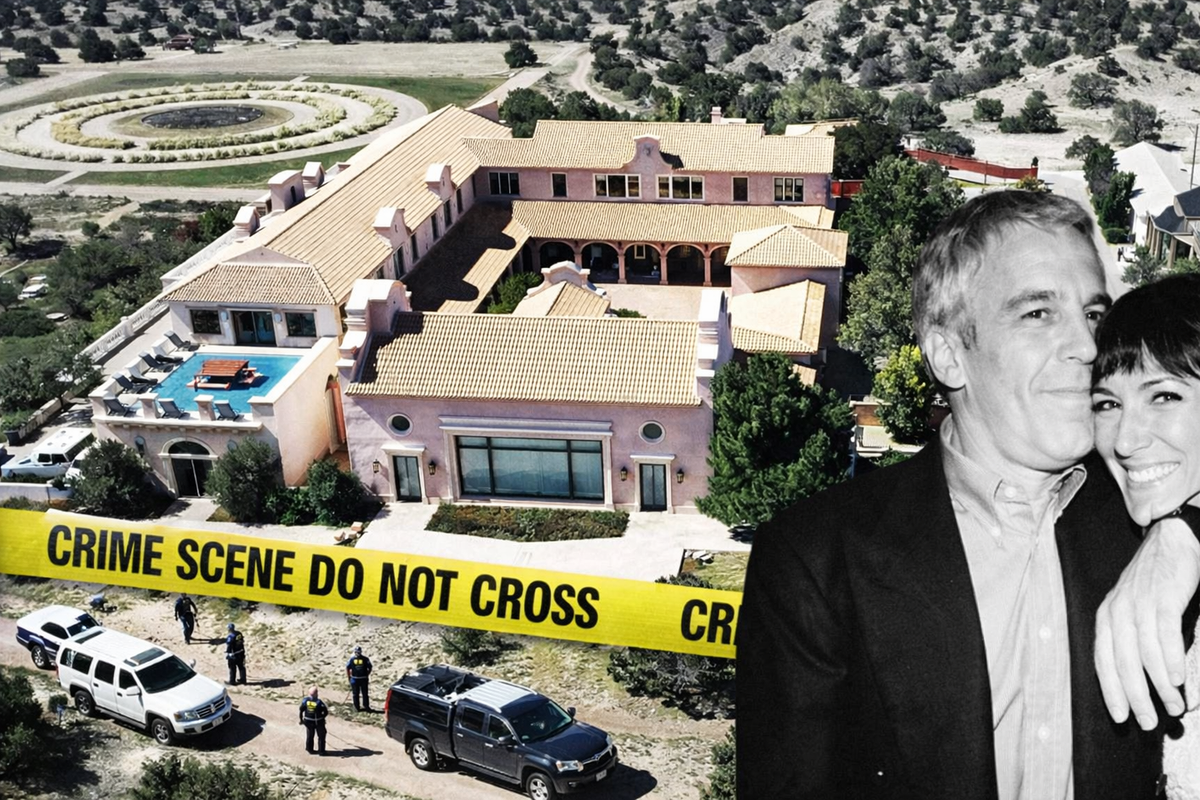
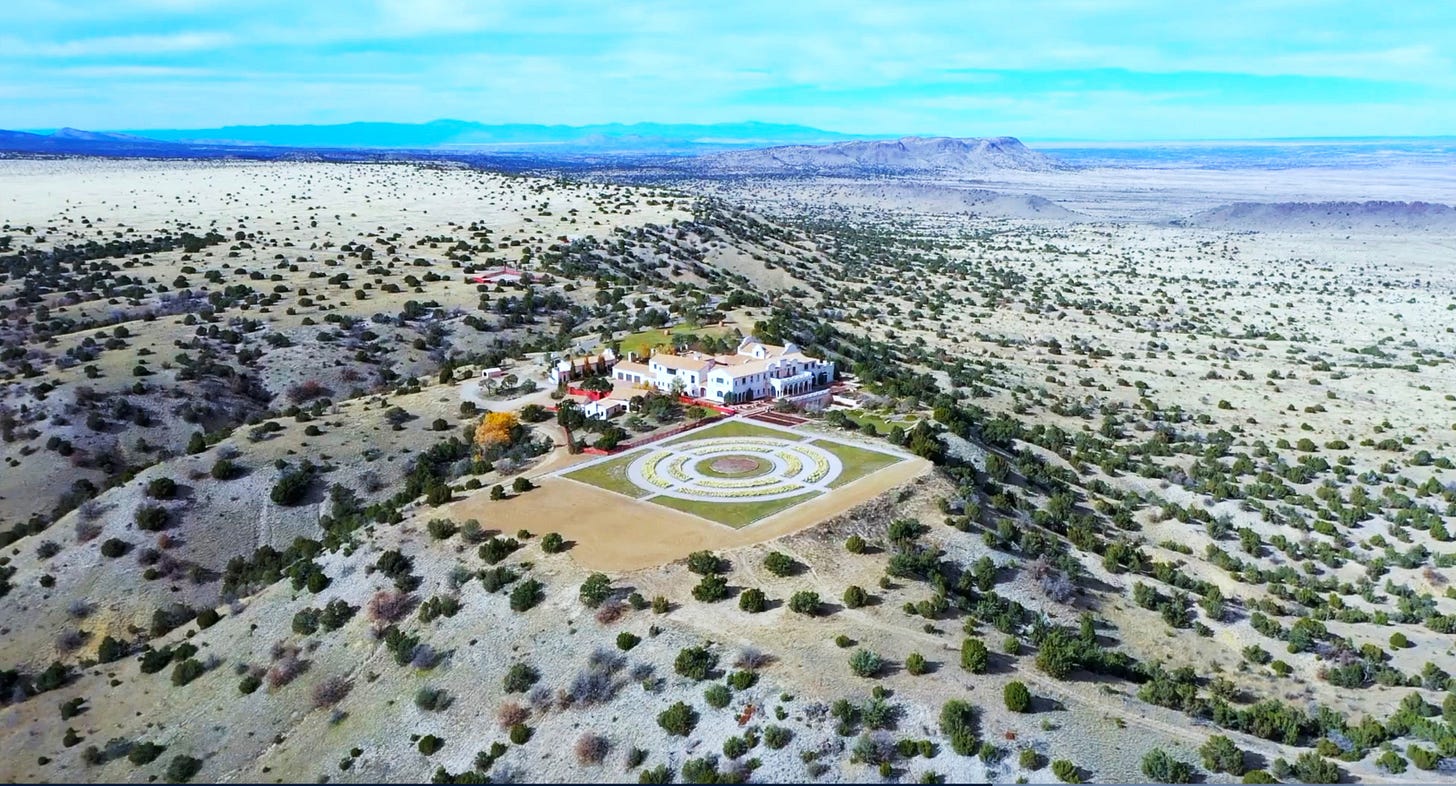
Jeffrey Epstein died in a federal cell on August 10, 2019. By December, the FBI had executed search warrants at his Manhattan townhouse and Little Saint James Island. But Zorro Ranch, his sprawling 10,000-acre compound in the New Mexico desert, sat untouched.
Not searched. Not swept. Not photographed with chain-of-custody protocols.
Seven years have passed. The property is now owned by the family of Don Huffines, a Texas businessman running for state comptroller. He bought it in 2023 through a limited liability company, paying an undisclosed price. His campaign says the auction proceeds benefited victims. That’s accurate. What they don’t say is that the ranch was sold before federal prosecutors took a single forensic step.
Thanks for reading! Subscribe for free to receive new posts and support my work.
This is not about what happened at Zorro Ranch. The victims have testified. Virginia Giuffre’s 2016 deposition named it. Annie Farmer testified at Ghislaine Maxwell’s trial about abuse there. Court records document trafficking at the property. That part is settled.
This is about why the FBI didn’t search it.
In December 2019, four months after Epstein’s death, a federal prosecutor’s email was included in his case file. The document stated plainly: federal law enforcement had not searched Zorro Ranch. The New Mexico State Land Office had already sent 400 pages of property records to state authorities. The land commissioner had flagged the adjacent state trust land. But there was no FBI raid. No search warrant. No forensic team.
By 2023, four years later, the property sold.
Rep. Melanie Stansbury, sitting on the House Oversight Committee, reviewed the unredacted Epstein files. Her assessment was direct: “The FBI never did a full forensic investigation of the ranch property.” The ranch had been sold “before a full investigation could be done.”
This raises a simple question: Who benefits from that timing?
Bill Richardson, the former New Mexico governor, visited Epstein at least nine times between 2010 and 2018, according to newly released DOJ emails. He planned a Zorro Ranch visit in late 2010. Flight logs show he visited Epstein’s island in November 2010. In 2013, he met with journalist Michael Wolff at Epstein’s Manhattan home. When Wolff asked how Richardson knew Epstein, Richardson replied: “Jeffrey is the biggest landowner in New Mexico.”
The emails don’t implicate Richardson in crimes. His spokesperson has denied he ever met Virginia Giuffre or saw Epstein with underage girls. But the documents show a former governor, post-conviction, arranging repeated meetings with a registered sex offender at properties connected to trafficking allegations.
The FBI’s emails show no investigation of those meetings. No questions for Richardson. No documentation of who else attended. Nothing.
By contrast, when French authorities moved on Epstein’s Paris apartment and MC2 Model Management, they seized computers and records. International cooperation extended across borders. It stopped at New Mexico’s state lines.
Why?
The New Mexico State Land Office controls 1,200 acres leased to Epstein through a shell company called Cypress, Inc. That lease was never canceled until Garcia Richard took office in 2019. The state never moved to breach the contract earlier. No audit. No investigation of grazing license terms. Nothing.
In 2019, an anonymous email arrived at a local radio host’s inbox. The sender claimed to be a former Zorro staff member. The email alleged two foreign girls were strangled and buried in hills outside the ranch on orders from Epstein and Ghislaine Maxwell. Videos were promised. Bitcoins requested. The email made its way to the FBI.
Thanks for reading! Subscribe for free to receive new posts and support my work.
No documented follow-up.
The property sat. The allegations accumulated. The files piled up. And in 2023, the estate sold it.
The sale price was undisclosed. Huffines’ family protested the county’s initial $21.1 million valuation, arguing the property’s “notoriety” justified a lower tax assessment. A county assessor agreed. The value was reduced to $13.4 million. The LLC listed Huffines’ wife and son as managers and trustees.
His campaign issued a statement: the family had never visited the property. The proceeds benefited victims. Standard language for a political liability.
What the statement didn’t address: Why should a politician running for comptroller, the office responsible for managing state finances and ensuring accountability, own a property that federal prosecutors never investigated while it was still evidence?
Huffines describes himself as a Trump Republican fighting for taxpayers. He has endorsements from conservative activists. His campaign emphasizes discipline and oversight. Yet his family purchased a site connected to sex trafficking, human trafficking, and unresolved federal allegations, six years after Epstein’s death.
The timing matters. By 2023, the estate was liquidating assets. The files were still sealed. A full forensic examination of Zorro Ranch would have created liability. It would have generated names. It would have documented who visited, when, and what they knew.
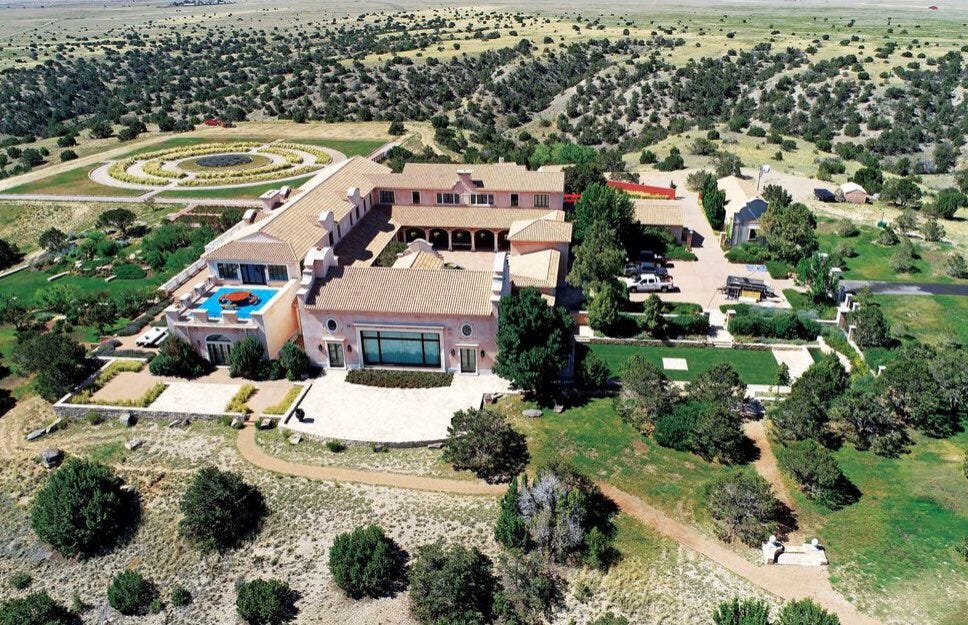
A sale, by contrast, closes the door. New Mexico law allows anonymous LLC ownership. The property gets renamed (San Rafael Ranch). The street address changes. The visible connection to Epstein fades.
Property records become fiscal documents. Victims’ claims against the estate get satisfied with auction proceeds. Federal prosecutors can claim they prioritized trials over property investigation. The Bureau can point to other cases.
Everyone moves on.
The incentive structure is clear. Federal law enforcement had a narrow window to search Zorro Ranch and preserve evidence while the property was still under estate control. They didn’t use it. By the time new questions emerged (courtesy of the 2025 Epstein file releases), the property had a private owner with political connections.
Investigating Zorro Ranch now requires a Texas comptroller candidate to voluntarily surrender his property, state search warrants, and willingness to expose whatever evidence remains. None of those things will happen.
New Mexico lawmakers have proposed a truth commission with subpoena power. That commission has passed the committee unanimously. Its scope: investigating what happened at Zorro Ranch, who knew, and why no forensic examination occurred before the sale.
The commission cannot overturn the 2023 sale. It cannot force entry onto Huffines’ property without a warrant. It cannot undo seven years of inaction.
What it can do is ask on the record: Why did the FBI search Little Saint James and Manhattan but not Zorro Ranch? Why did the federal government allow a known trafficking site to remain unsearched through the critical period when evidence preservation mattered? Why did the estate sale proceed without a forensic sweep?
Those questions point to a pattern. When Epstein’s crimes involved properties he sold or assets he liquidated, the investigation moved slowly. When properties carried political risk or involved powerful figures, federal enforcement paused. When the estate was preparing to liquidate, no urgency emerged.
The property sold. A political candidate owns it. The investigation gap is now irreversible.
That’s not a conspiracy. That’s institutional incentive structure. Federal prosecutors avoid cases that implicate sitting politicians or require extended state cooperation. Estate attorneys prefer sales to investigations. State officials move only when federal agencies lead. And everyone benefits when the most explosive questions remain unasked.
Zorro Ranch didn’t search itself. The FBI made a choice. The consequences are still unfolding.
 Gene Goodwin
 Gene Goodwin
 Gene Goodwin