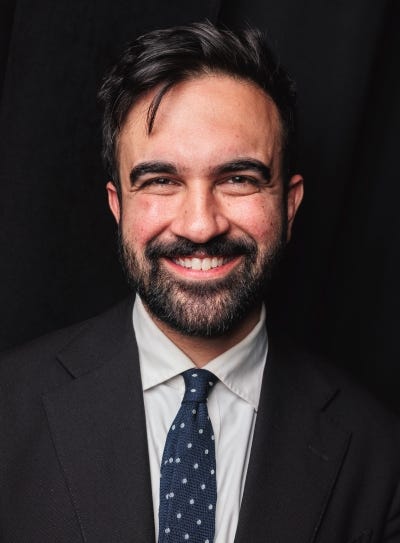
Zohran Mamdani ally Linda Sarsour, NYC DSA pol threaten to root out pro-Israel ‘corporate Democrats

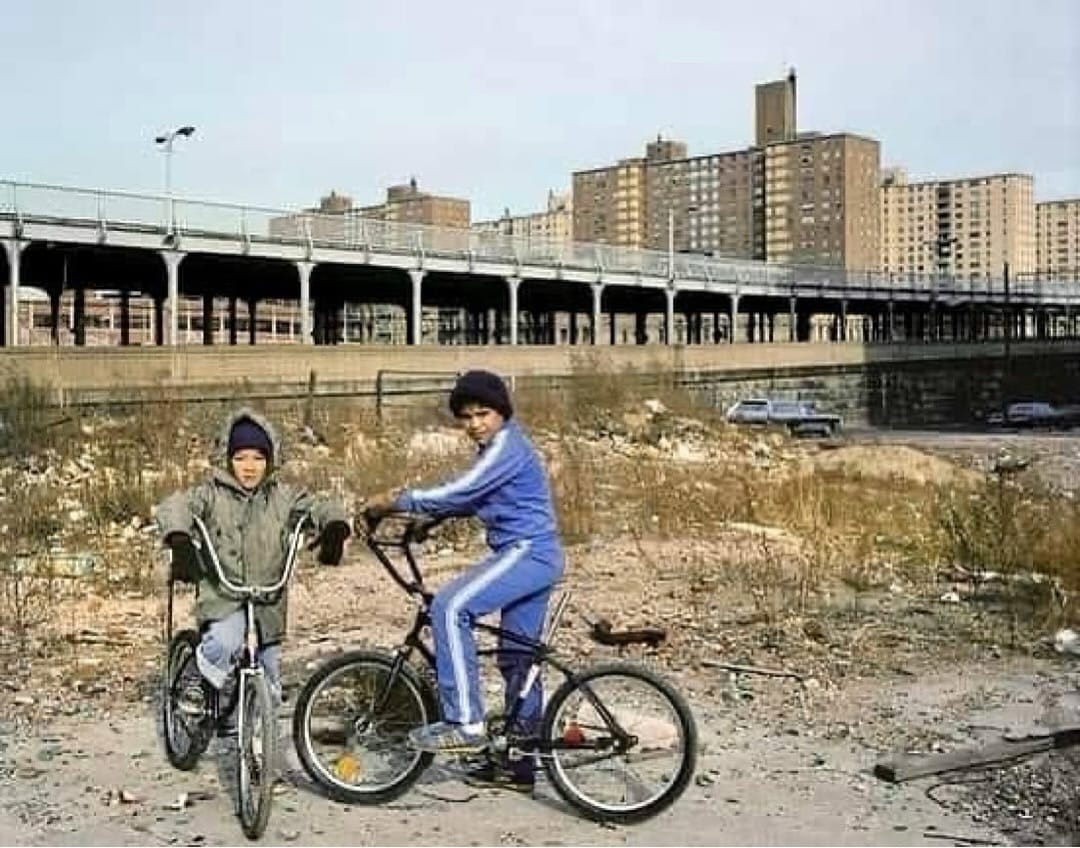
We live in Linda Sarsour’s New York, most people just don’t know it yet.
— Jason Curtis Anderson (@JCAndersonNYC) November 7, 2025
pic.twitter.com/cxQgI87u8i
Zohran Mamdani, the 34-year-old state assemblyman from Queens and newly elected mayor of New York City (as of November 4, 2025), campaigned on a bold, progressive platform rooted in democratic socialism. As a member of the Democratic Socialists of America (DSA), Mamdani's agenda emphasizes reducing the cost of living, expanding public services, and addressing inequality through government intervention.
Holy sht.
— End Wokeness (@EndWokeness) November 3, 2025
Linda Sarsour admits that Mamdani's rise in NY was secretly bankrolled by Jihad-linked CAIR groups.
pic.twitter.com/BmfYRubeWG
His victory—defeating former Gov. Andrew Cuomo and Republican Curtis Sliwa—came after a stunning June 2025 Democratic primary upset, fueled by a grassroots army of over 100,000 volunteers who knocked on 3.1 million doors. Endorsed by figures like Bernie Sanders and Rep. Alexandria Ocasio-Cortez, Mamdani's platform targets working-class New Yorkers squeezed by skyrocketing rents (up 20% in Manhattan since 2022) and stagnant wages. He frames it as "making New York safe and affordable for all," but critics, including Cuomo and President Trump, warn it could bankrupt the city through tax hikes and overreach.
Mamdani's proposals require state approval for key elements like taxes, which Gov. Kathy Hochul has already signaled opposition to. Below is a breakdown of his core policies, drawn from his campaign site, speeches, and legislative record.
Here’s the New York City DSA Anti-War Working Group’s internal document which they accidentally shared with me. It includes the DSA group’s list of “demands” for the incoming Mamdani Administration — shockingly basically all the demands are anti-Israel.
— Jerry Dunleavy IV 🇺🇸 (@JerryDunleavy) November 5, 2025
👉https://t.co/xN7O663PyS https://t.co/vrLDX4JHQj pic.twitter.com/7F98mVWRnA
Housing is Mamdani's top priority, dubbed the "first day and last day" focus of his mayoralty. He aims to "bring down the rent" for the city's 1 million rent-stabilized units, which house about 2.4 million people.
Critics argue this could deter developers and accelerate the exodus of middle-class residents, but Mamdani counters that unchecked markets have already "crushed" families.
According to Linda Sarsour, the MAJORITY of Zohran Mamdani’s campaign money came from CAIR, the Council on American-Islamic Relations. AKA the unindicted co-conspirator named in the FBI’s 2007 terrorism finance case. 'Turn the volume up' on THIS. pic.twitter.com/lE8U4NEAxk
— Glenn Beck (@glennbeck) November 5, 2025
Mamdani's economic vision is unapologetically interventionist, aiming to make NYC a "city where working people thrive" by redistributing wealth from corporations and the ultra-rich.
This draws from his DSA roots, echoing Sanders' emphasis on "economic rights" like livable wages. Opponents, like Curtis Sliwa, claim it would spike unemployment among entry-level workers.
Mamdani positions NYC as a "family-friendly" city, targeting the $20,000+ annual cost of infant care that forces many parents out of the workforce.
Funded partly by closing "corporate tax loopholes," this could cost $15 billion yearly but save families billions, per campaign estimates.
Drawing from his successful fare-free bus pilot in Queens, Mamdani wants "world-class" transit to cut commute costs and emissions.
He defeated a "dirty power plant" proposal in 2024, signaling environmental integration.
After we released a short clip exposing Linda Sarsour and CAIR’s grip on Zohran Mamdani’s NYC mayoral campaign, they rushed to hide the evidence—making their video private. WATCH the full raw video from their Sept 20, 2025 panel, but pay particular attention to Sarsour. pic.twitter.com/Y9r04BKqtC
— Canary Mission (@canarymission) November 7, 2025
Unlike some DSA hardliners, Mamdani takes a "moderate" stance, rejecting full "defund the police" while criticizing over-policing.
 Moms Justice Alerts
Mamdani's platform is ambitious but faces hurdles: City Hall controls only 40% of the $100 billion+ budget, and state buy-in is needed for taxes. His transition team—co-chaired by FTC's Lina Khan and ex-Deputy Mayor Maria Torres-Springer—hints at a pragmatic rollout. As mayor, he'll inherit a city with 34% resident satisfaction on quality of life (down from 51% in 2017). Supporters see a "transformational" shift; detractors, a recipe for exodus. Either way, Mamdani's win signals DSA's rising clout in blue strongholds
 Substack