How the 2015 JCPOA echo chamber became a permanent fixture
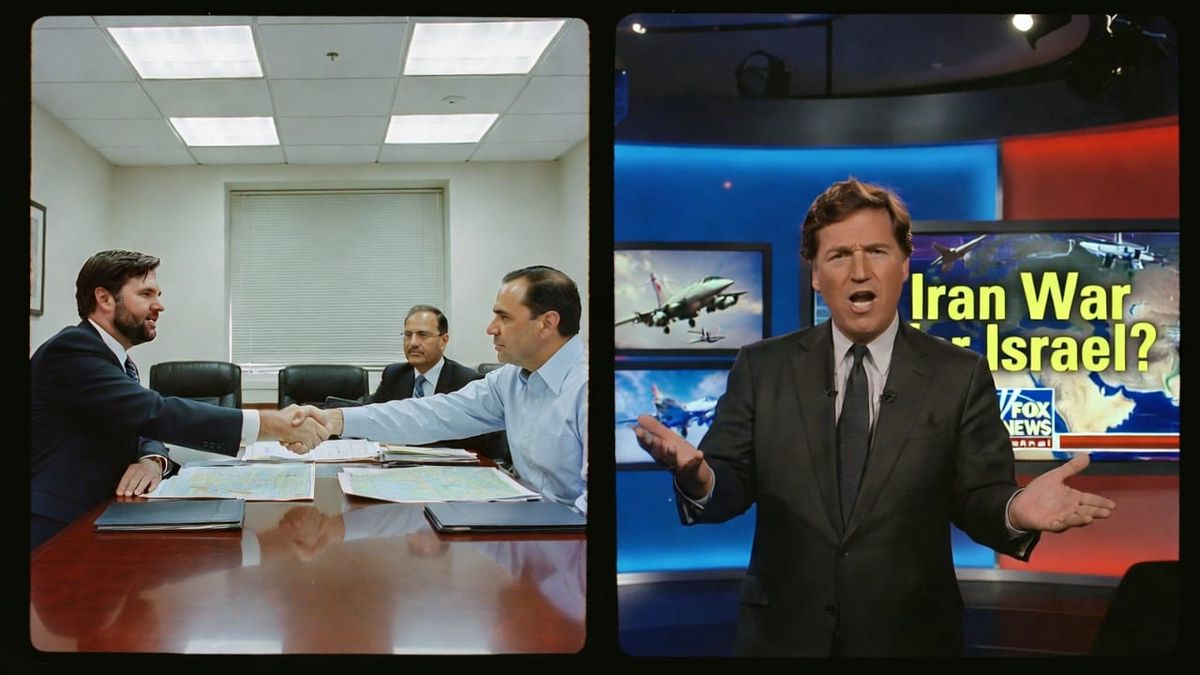
Vance in Islamabad narrates progress where none exists. Iran's navy gone, missiles hit, proxies rolled up. Only the HEU remains. Echo chamber creates cover to soften red lines. Trump said everything. Not 90 percent. The uranium decides. Who benefits from the pressure campaign?

The machinery is what you need to understand. Not the diplomacy theater, not Vance's trip to Islamabad, not the carefully calibrated takes from former Obama officials about what constitutes a "good deal." The machinery.
Lee Smith in Tablet laid it out this week in one of his cleaner dissections, and it deserves a second look from a different angle, because what he's describing isn't just Iran policy. It's a demonstration of how a communications infrastructure, built originally to sell the 2015 JCPOA to a skeptical American public, became a permanent feature of the information ecosystem. Not repurposed for the occasion. Permanent. Sitting there between uses, ready to be switched back on.
Here's how the "echo chamber" originally worked: you flood the zone with expert consensus, you marginalize anyone with the credentials to challenge it, you get the major columnists in line, and then you let the apparent unanimity do the work. The Obama White House called this operation openly. Ben Rhodes, Obama's deputy national security advisor, described it in 2016 to the New York Times Magazine as a deliberate strategy of cultivating a circle of arms control experts, think tank voices, and sympathetic journalists who would validate whatever the administration was already going to do. Rhodes used the word proudly. He thought it was clever. It was.
The specific genius of the JCPOA echo chamber was what it managed to suppress. The sunset clauses were not obscure technical provisions buried in an annex. They were right there in the text, with the word "sunset" in them, meaning Iran's nuclear restrictions would expire on a fixed schedule and the regime would then have a legal, internationally-recognized path to full enrichment capability. This was what the deal said, plainly, in English. You did not need a security clearance or a background in arms control to read it. You needed ten minutes and the ability to parse a sentence.
And the echo chamber made saying so out loud a fringe position. Genuine arms control experts who raised the obvious objection were dismissed. Journalists who covered the plain text of the agreement were treated as ideologues. The consensus held, not because it was accurate, but because the machinery enforcing it was better than anything the critics had.
That machinery did not disband when the JCPOA debate ended. Smith has been tracking its subsequent deployments, including its role in the Russiagate operation, where many of the same players, the same columnists, the same think tank infrastructure, the same Democratic Party-aligned intelligence officials, ran a structurally identical campaign against Trump's first term. The technique transfers cleanly across subject matter because the technique is not about Iran or Russia. It is about manufacturing a consensus that preempts scrutiny.
What Smith is tracking now is the reactivation. Robert Malley, who ran Iranian influence operations while at the International Crisis Group before staffing those same operatives into the Biden State Department, where he managed the Iran file until being suspended for allegedly mishandling classified intelligence, is now publicly baiting Trump by praising whatever Vance reportedly offered the Iranians in Pakistan. The message is calibrated: wouldn't Trump want a deal better than Obama's? Appealing to vanity because that's what the read on Trump says to do.
Trita Parsi, who heads the Quincy Institute, funded by both Charles Koch and George Soros, and who functioned as a conduit between Iranian officials and Obama's team during the original negotiations, is out declaring that Trump has no military options left, that the war has failed, and that there is no path except a deal. David Ignatius, who played a supporting role in both the JCPOA echo chamber and later in amplifying the Russiagate narrative from his Washington Post perch, is running the same play again, writing that Trump has no appetite for further conflict and the risks are too large.
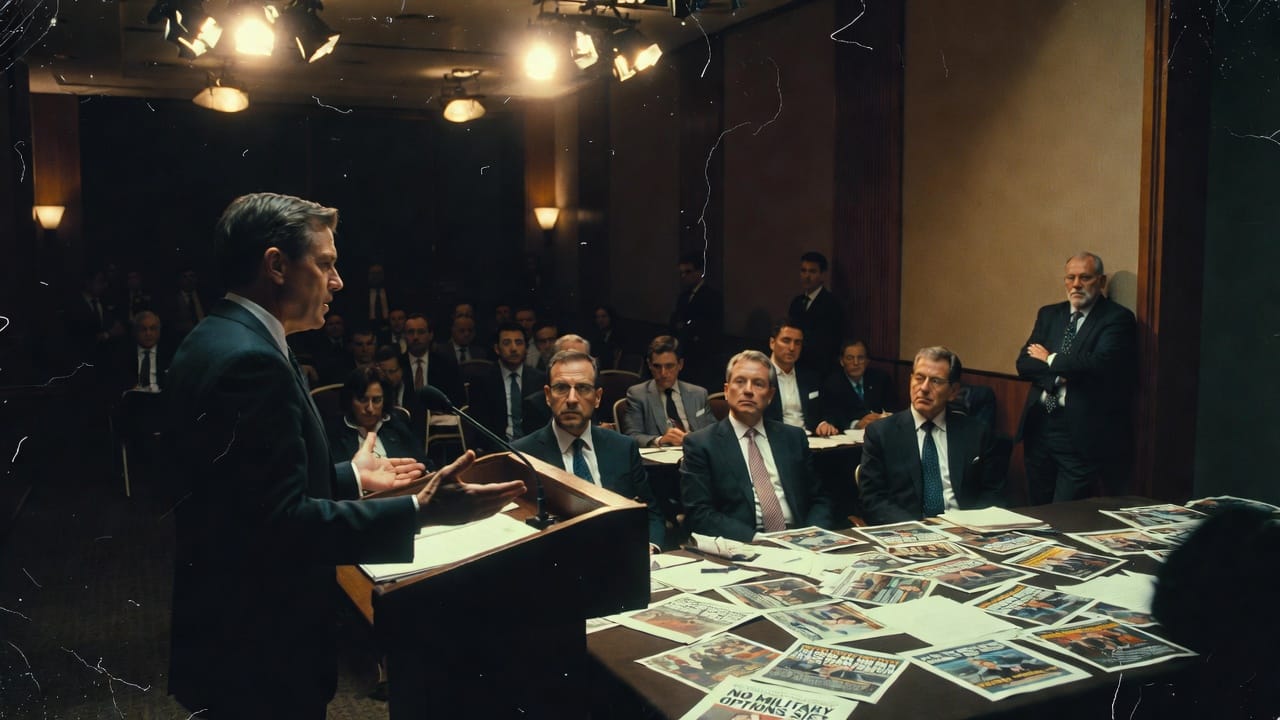
The tell is the coordination. They are not arriving at the same conclusion accidentally. They are making the same argument because the argument is the operation. The goal is not to inform the debate. The goal is to define the space of respectable options until a negotiated settlement that leaves Iran with something looks like the only reasonable position.
Now here's what Smith understands that most diplomatic coverage doesn't engage seriously: the underlying military situation makes most of this moot, and the only thing that actually matters right now is a thousand pounds of highly enriched uranium sitting under rubble somewhere in Iran.
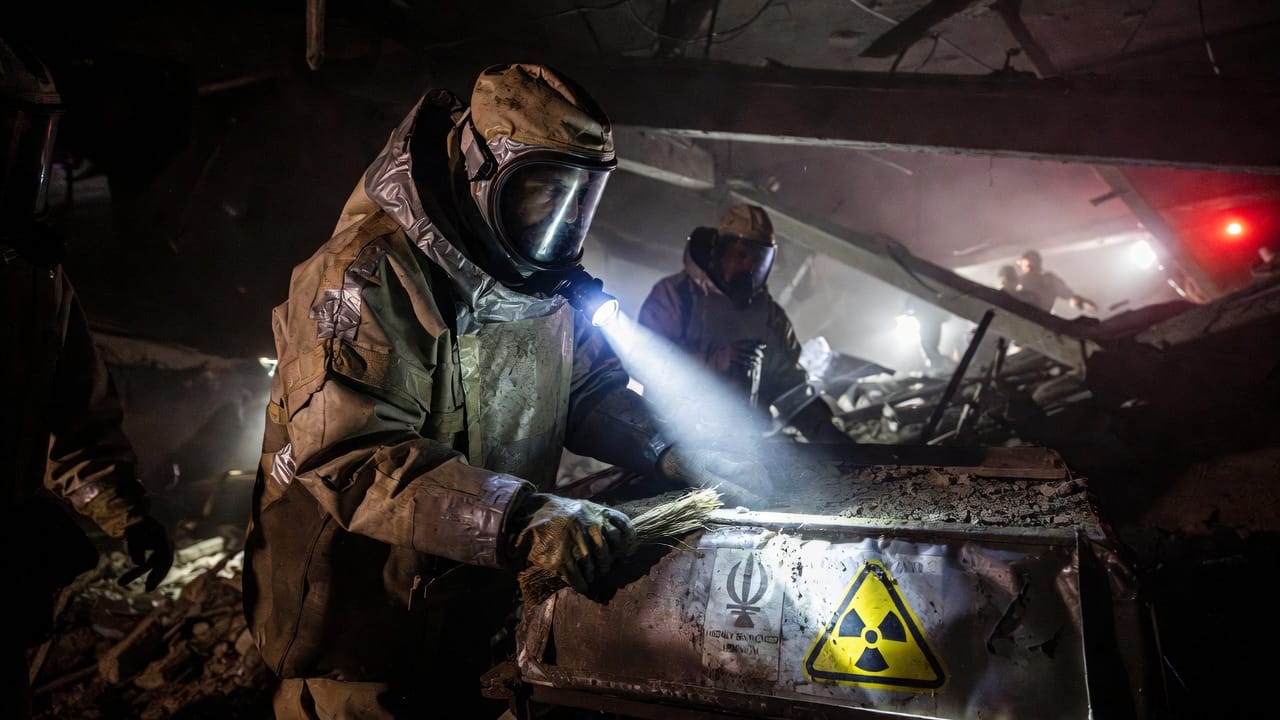
The U.S. military campaign did what it set out to do. Iran's navy is substantially gone. Its ballistic missile program has been degraded. Its nuclear and weapons facilities have been bombed. Its proxy network, with Hezbollah as the flagship, is being rolled up by Israel in Lebanon. The regime has essentially nothing left that constitutes deterrence except the HEU. That uranium is the last card.
They are not going to give it up voluntarily because giving it up is unconditional surrender dressed in diplomatic language. From Tehran's perspective, the calculus is straightforward: surrender the HEU and you have nothing left to negotiate with, ever. Hold it and at least your adversaries have a reason to keep talking rather than resume bombing. It is a bad hand, but it is the only hand they have.
So when Vance came back from Pakistan and described the Iranian position as "progress," he was narrating a negotiation where no negotiation was structurally possible. Trump's stated red lines, no enrichment and surrender of the HEU, are existential demands from Iran's perspective. The Iranians' refusal to meet them is not ordinary diplomatic stonewalling. It is the behavior of a party that understands it has already lost everything except the one chip that still has value precisely because the other side wants it.
This is where the echo chamber operation becomes meaningful at the operational level. It does not need to actually move Trump off his red lines right now. It needs to create enough ambient pressure, enough responsible voices calling for flexibility, enough coverage treating the war as open-ended and costly, that someone inside the administration has political cover to redefine the red lines downward.
Vance is the obvious candidate, and his trip to Pakistan was itself a signal: a man sent to conduct diplomacy he believes in, or a man sent to fail visibly so he owns the failure? Either way, the restraintist camp he leads, which shares more structural interests with the Obama faction than either would want to advertise, is providing the internal pressure that the echo chamber is providing externally.
Smith notes Tucker Carlson's role here with characteristic directness. Carlson, credited with Vance's political ascent, has already framed the Iran campaign as a war serving Israeli rather than American interests. That framing is doing specific work: it is the domestic political bridge between the Obama faction's multilateralist argument and the MAGA base's instinctive isolationism. If you can make opposition to Trump's Iran policy legible to the populist right, you have closed the pincer.
Trump has said he wants everything. Not ninety percent, not a framework, everything. The HEU and no enrichment, full stop. Whether he holds that position is the only question that matters, because the military facts on the ground support it. The echo chamber's entire operation is a bet that he won't.
The uranium is the story. Everything else is a pressure campaign designed to change the ending.
Credit: Lee Smith, Tablet Magazine, "The Return of the Echo Chamber," April 16, 2026. This piece draws on and extends his reporting.