The Brooklyn Storefront That Robbed America's Grandparents
A quiet Brooklyn storefront hid one of the largest Medicare frauds in U.S. history. Nearly $1 billion stolen, over a million Americans' identities compromised, and a trail leading from Gravesend to Hong Kong. Experts say an operation this size doesn't run in Russia without state permission.

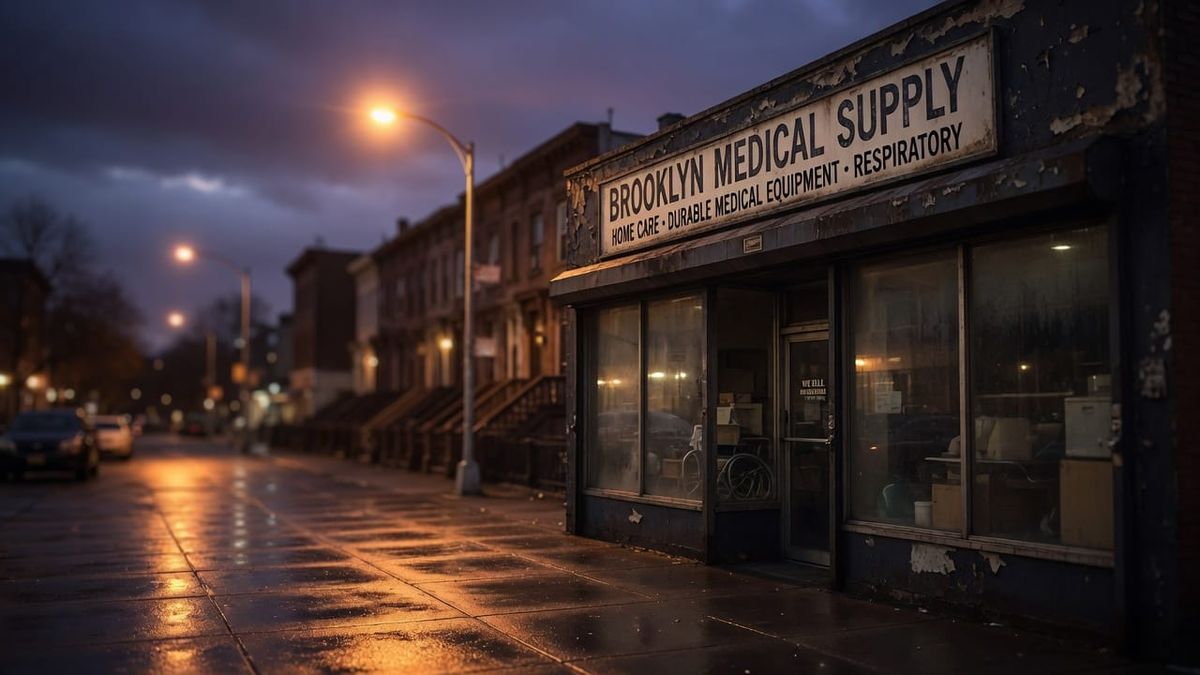
A modest storefront sits in Gravesend, Brooklyn, wedged between a nail salon and a halal butcher. There is nothing about it that draws attention. No armed guards, no suspicious cars idling outside, nothing but a company called G&I Ortho Supply quietly processing paperwork day after day. Behind that unremarkable facade, federal prosecutors say, operated one of the largest health care frauds in American history, a scheme that pulled nearly a billion dollars out of Medicare and exposed the identities of more than a million Americans.
There was no dramatic heist here, no masked men or getaway cars. The theft moved through fax machines, mailed checks, and Telegram messages. That plainness was the point. Fraud on this scale did not need spectacle. It needed paperwork that looked ordinary enough to pass unnoticed.
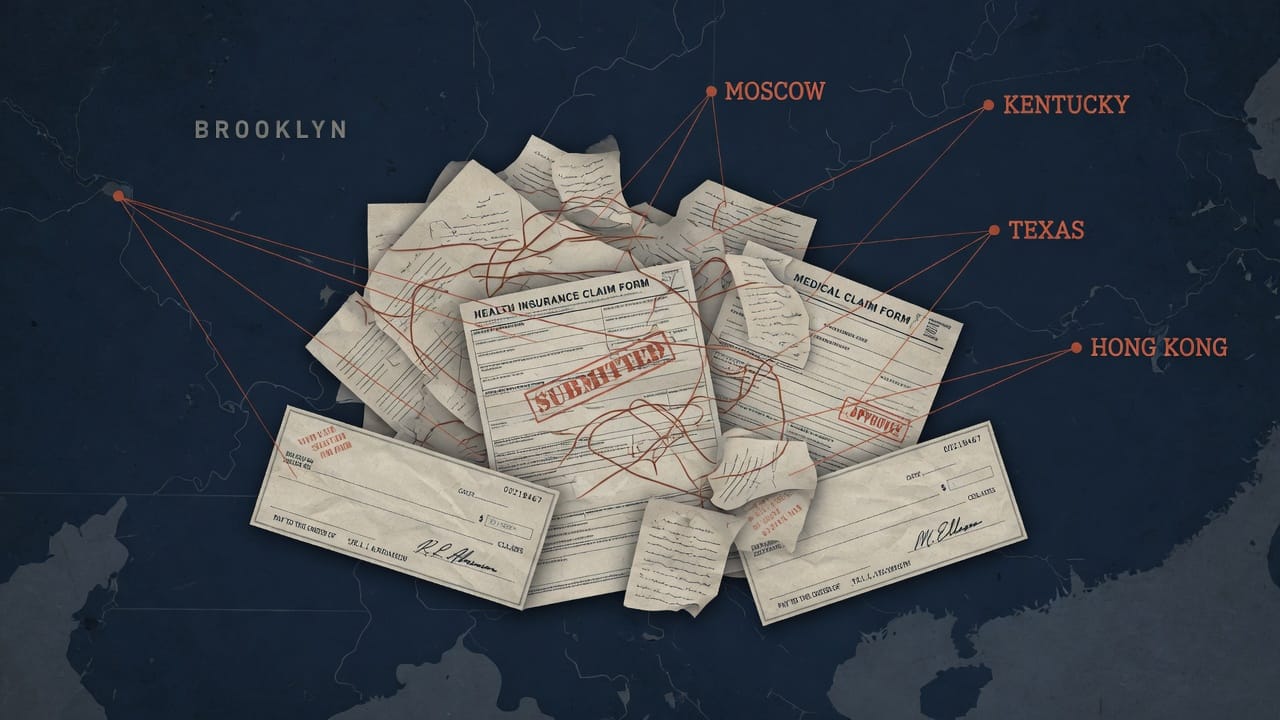
According to the indictment, the operation began in 2022, when a Russia based criminal network started acquiring more than thirty medical supply companies across the country, in California, Texas, and Kentucky. These were not new fronts built from scratch. They were already legitimate businesses, already enrolled in Medicare, carrying years of regulatory credibility. The network bought that credibility outright and turned it against the system that had granted it.
Aleksandr Lis was twenty six, Estonian, and had spent his working life delivering packages before the network recruited him. He arrived in New York speaking no English. He was put up in a Times Square hotel and installed as the nominal owner of two medical supply companies, one in Texas, one in Kentucky. His instructions came by text message. Collect the Medicare reimbursement checks. Deposit them. Wait. His lawyer, Daniel Wachtell, later described him as an uneducated, lonely young man who had little grasp of what he had been pulled into. Over nine months, more than six million dollars in fraudulent funds moved through his hands. He was paid seventeen thousand dollars for it. He pleaded guilty, served his sentence, and was deported back to Estonia.
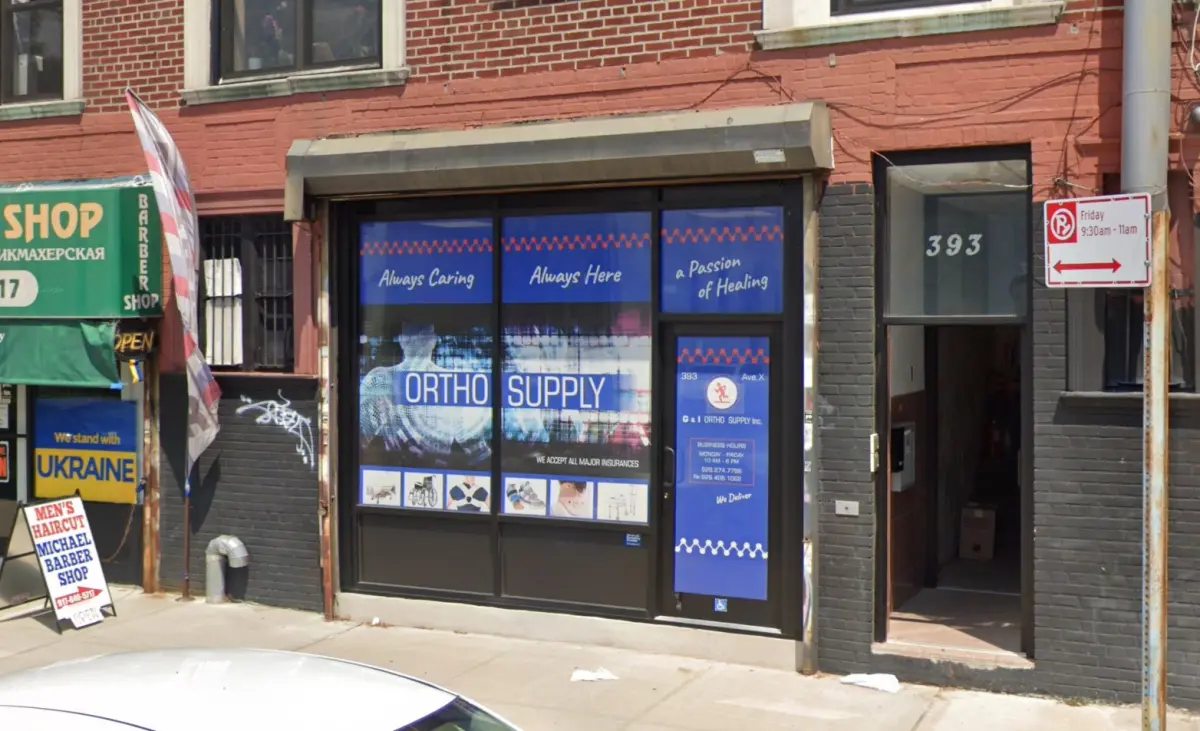
Lis was not an anomaly. He was the template. Young, foreign, expendable, and easily replaced by the next one.
In Kentucky, prosecutors point to a company called Priority One Medical Equipment. A Kazakh national, Anuar Abdrakhmanov, allegedly took it over in April 2024, despite entering the country on a visitor visa and somehow securing a New York State driver's license along the way. Through that one company, investigators allege roughly 666 million dollars in fraudulent claims were filed for glucose monitors and catheters. Employees at the largely empty office were paid six thousand dollars a month to forward checks and mail through Telegram to an unnamed supervisor. Abdrakhmanov has not entered a plea. Prosecutors say the money was wired overseas, some of it landing in Hong Kong.
One name on the superseding indictment breaks the pattern. Jason Onoufrienko is the only American citizen among the twelve people charged, a detail that complicates the assumption that this was purely a foreign operation working at arm's length from domestic hands.

The fraud centered, improbably, on urinary catheters. In 2023 alone, fraudulent catheter billing reached nearly two billion dollars nationally, more than the entire country spends on catheters in an ordinary year combined. Seven fraudulent supply companies accounted for a 1.9 billion dollar spike in catheter reimbursements that year. Behind each of those claims sat a real elderly American, a real Social Security number, a real physician's stolen credentials.
Laura Colquhoun lives in New Hampshire. She found an 1,800 dollar catheter bill on her Medicare statement for supplies she never ordered and never received. Pamela Ludwig owns a small Nashville boutique, Pretty in Pink, selling mastectomy and burn recovery garments. For a year and a half she fielded furious calls from seniors nationwide who had been billed by a fraudulent company sharing her business's name, one that had bought a legitimate Texas prosthetics supplier for fifty thousand dollars and converted it into a fraud vehicle. Collectors called. Lawyers called. People claiming to represent the Treasury Department called. Ludwig, herself a Medicare provider, could not understand how the billing continued so long, since a change in company ownership is supposed to trigger a Medicare audit. She still wants to know if anyone ever came to check.
That question sits at the center of the whole affair. Where was Medicare while billions in claims moved through the system unchallenged?
Criminologists studying the case are direct about what they think sits above the low level operatives. Jay Albanese of Virginia Commonwealth University said plainly that an operation of this scale does not exist in Russia without government permission or government control. Serguei Cheloukhine, a former Interpol officer now at John Jay College, goes further, describing a closed network built on trust and referral that runs from street level operatives up to political power. He says the top of that structure holds politicians and law enforcement figures who protect the network in exchange for a cut, whether the business is medical fraud, prostitution, or laundering jewelry.
That is the real substance underneath the catheter bills and the Brooklyn storefronts. This was not opportunistic criminality. It was infrastructure. Recruit disposable foreign nationals to serve as fronts. Buy pre approved American companies to bypass regulatory scrutiny. Route the proceeds through Hong Kong, China, Turkey, Singapore, Pakistan, and Israel. Instruct operatives to cross into Mexico the moment law enforcement closes in, which prosecutors say some of them did.
More than four hundred thousand Medicare beneficiaries and providers filed complaints once the fraudulent billing surfaced. In April, the Centers for Medicare and Medicaid Services quietly reissued new identification numbers to 1.3 million recipients, a tacit admission that the original numbers had likely been compromised. Sixty seven of the billed beneficiaries, according to the indictment, were already dead.
What is left is a portrait of a system built for speed rather than defense, a federal payment machine that processes claims faster than it can question them. A network of foreign operatives understood that weakness and exploited it for three years before the scale of the theft forced a reckoning.
What remains unanswered is who exactly stood behind the young men shipped into American hotel rooms with nothing but a phone full of instructions and a bank account waiting to be opened.