Iran Hangs Teenage Wrestling Champion in Public Spectacle, Defying Global Outrage

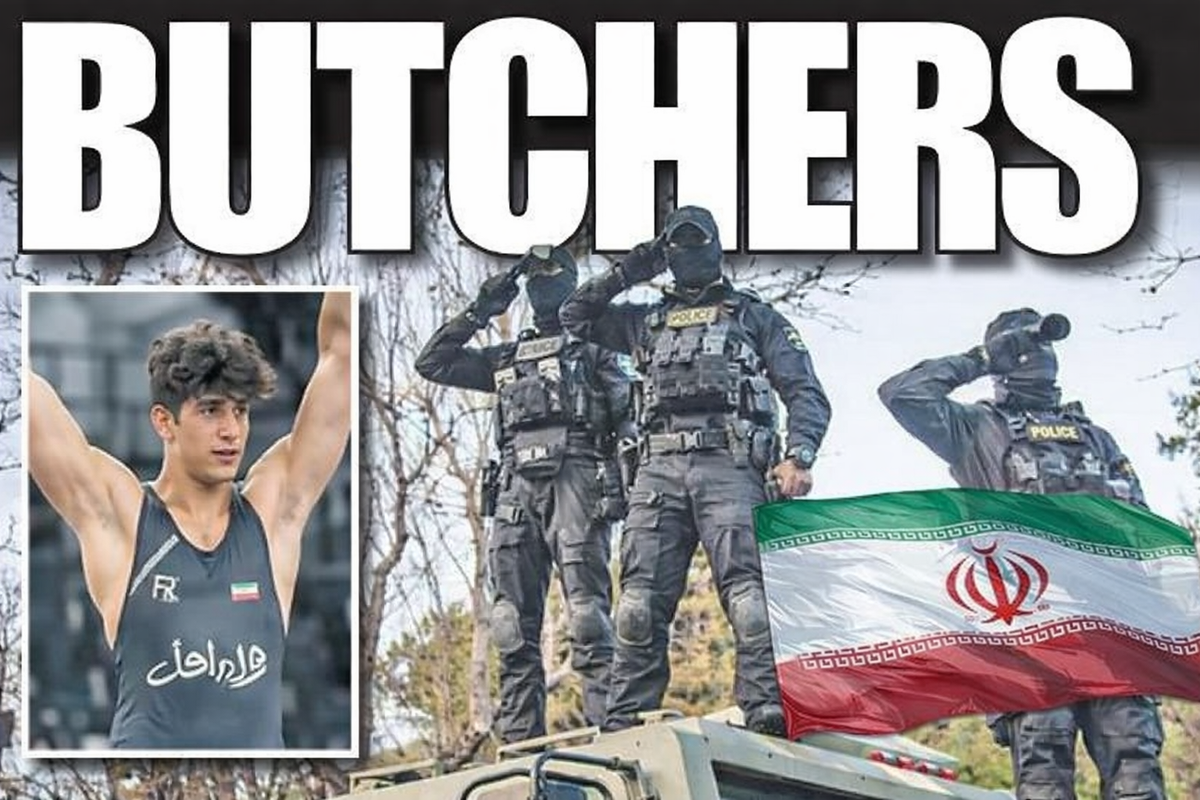
QOM, Iran. In a chilling display of Ayatollah Ali Khamenei's iron grip, Iranian authorities publicly hanged 19-year-old national wrestling champion Saleh Mohammadi on Thursday, alongside two fellow protesters accused of crimes during January's anti-regime uprising. The executions, carried out in Qom's streets before jeering crowds, mark a brazen escalation in Tehran's campaign to crush dissent through terror.
Mohammadi, a rising star who had brought medals home from international competitions, was arrested amid the January 8 9 protests that saw Khamenei's security forces slaughter over 7000 demonstrators. Branded with the vague charge of enmity against God, a catch-all for the regime's political enemies, he was rushed through a sham trial. Human rights monitors report fractured hands from torture, forced confessions, and no real defense. This is not justice. It is vengeance by a theocratic dictatorship terrified of its own people.
Today, in Iran, in the middle of a war, the regime executed a 19-year-old national wrestling champion for the crime of joining January protests. 💔
— Masih Alinejad 🏳️ (@AlinejadMasih) March 19, 2026
After signaling to the world, including President @realDonaldTrump, that they would halt executions of protesters, the regime has… pic.twitter.com/GzaoiI71JJ
A Pattern of Brutality Against the Regime's Brightest
The Ayatollahs have long weaponized the noose against athletes who dare step out of line. Mohammad's death echoes the 2020 hanging of Navid Afkari, another wrestler killed after protesting economic misery under Khamenei's rule. Now, as war rages with Israel and the United States, the regime doubles down. Mehdi Ghasemi and Saeed Davoudi, the other victims, faced identical railroading: accusations of stabbing police during chaotic street clashes, pinned on flimsy evidence amid a nationwide internet blackout that hid the initial massacre.
Amnesty International condemned the fast-tracked proceedings that bore no resemblance to a meaningful trial. Iran Human Rights warns of dozens more protesters, including minors, teetering on the brink of execution. Khamenei's judiciary, stacked with loyalists like chief Gholam Hossein Mohseni Ejei, thrives on this speed. Trials last days. Appeals vanish. The goal: intimidate a population already reeling from 7000 dead and tens of thousands jailed.

President Trump claimed in February that his back-channel pressure had halted a wave of killings, sparing about 800 lives. Tehran lied, as it always does, and rushed the gallows anyway. The Supreme Leader's office benefits most: public hangings at crime scenes project strength to hardliners while cowing the public. Who loses? Iran's youth, its sports heroes, its future.
Sports as a Regime Shield, Now a Target
Iran's rulers cynically parade athletes for national pride, then slaughter them for disloyalty. The women's soccer team returned home on Wednesday, looking terrified, labeled wartime traitors for skipping the anthem at the Asia Cup. Five sought asylum in Australia until family threats forced them back. Activists like Masih Alinejad and Nima Far demand that the International Olympic Committee and United World Wrestling ban Iran outright. This is not just about sports. This is about human dignity.
Yet global sports bodies hesitate, citing diplomacy. Their inaction shields Khamenei's propaganda machine, which uses Olympic glory to launder brutality. A ban would sting: lost revenue, isolation, exposure of the rot.

Khamenei's War on His People, Amid External Flames
These killings unfold as US and Israeli strikes pound Iran's infrastructure, with Britain offering bases to reopen the Strait of Hormuz. Tehran's response? Not military resolve, but domestic purges. Executing Kouroush Keyvani, a Swedish-Iranian dual national, on spying charges just a day prior fits the pattern: kill abroad to rally bases at home, kill within to break spirits.
The Ayatollah's incentives are clear. Revolutionary Guards gain unchecked power. The judiciary collects confessions like trophies. Khamenei, isolated in his Qom fortress, clings to rule through fear. Global powers, distracted by oil and missiles, issue statements but impose no costs. Olympians and NGOs cry foul, but without bans or sanctions, words are wind.
For Iranian citizens, the message lands hard: protest, and even championship gold won't save you. A 19 year olds broken body swinging in Qom screams what ballots and diplomacy cannot. The world watches. How many more ropes before action follows?
Disclosures and Sources: This article draws from verified reports by Iran Human Rights, Amnesty International, Human Rights Activists News Agency (HRANA), and eyewitness accounts cited in global media.