Behind enemy lines: the U.S. mission to save an airman in Iran
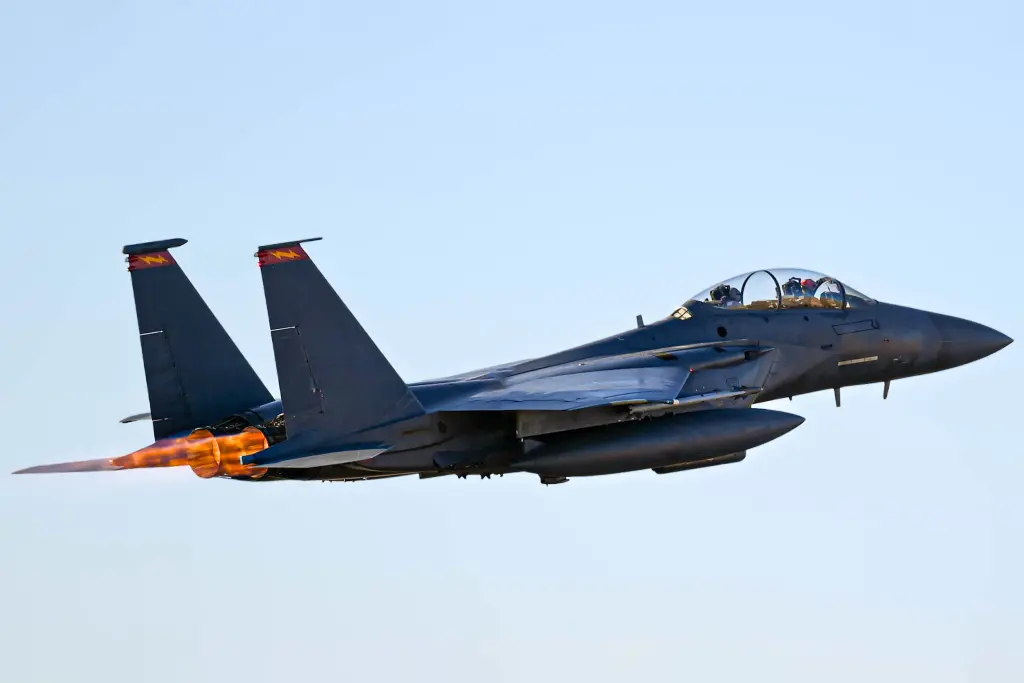
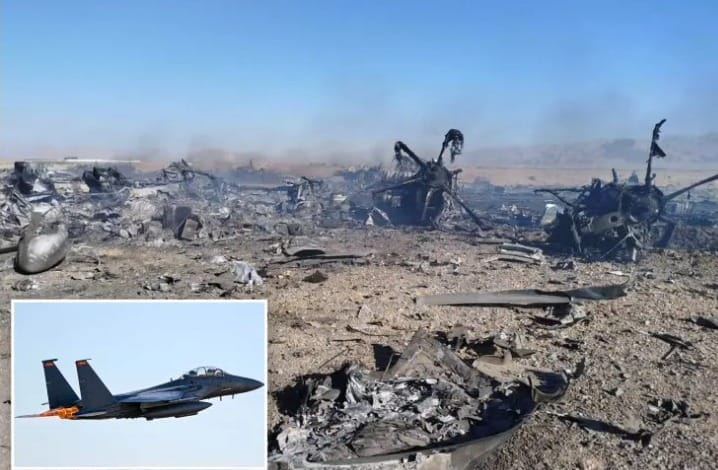
The F-15E pilot, a colonel, was able to successfully parachute out of his aircraft on Friday and landed in a forested area in the Zagros Mountains, according to US officials.

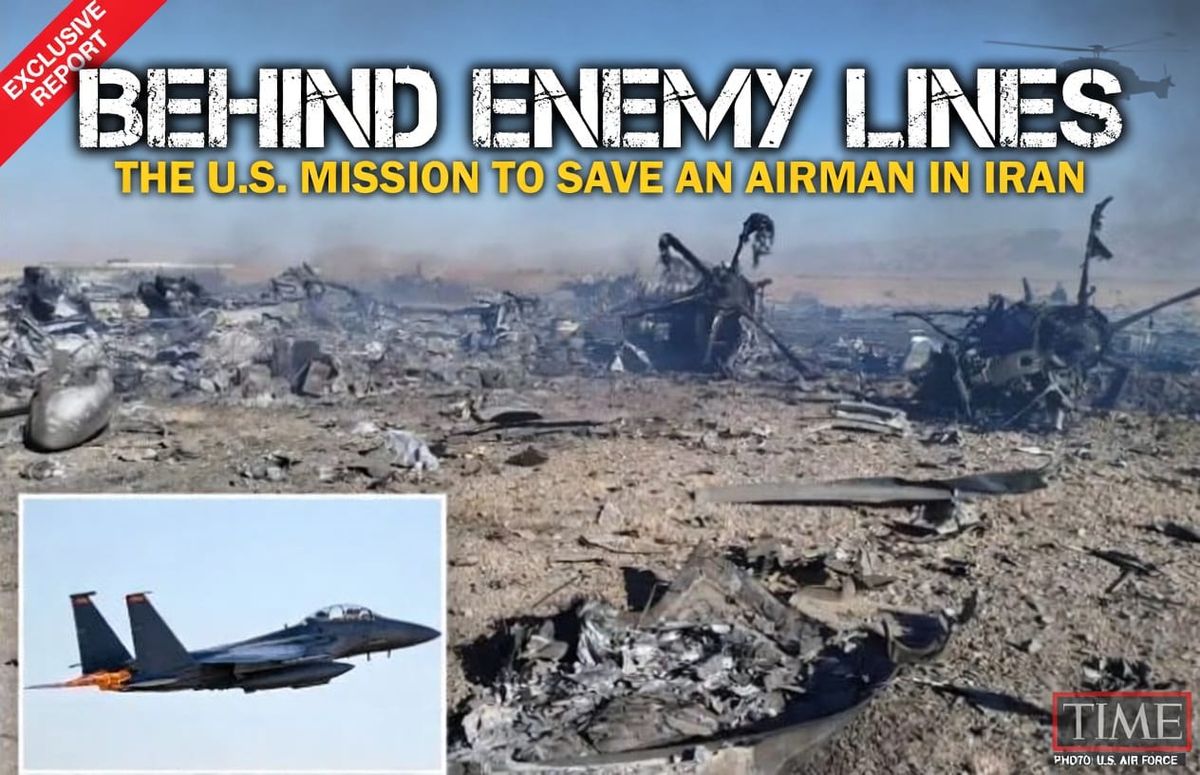
America loves a good rescue story, especially when it involves stealth aircraft, elite commandos, and the sort of classified machinery that lets Washington pretend it is still competent at the one thing it always insists it can do best: project force. So when a U.S. F-15E went down over Iran and one airman was left behind, wounded and hunted in mountain country, the national security class did what it always does. It turned catastrophe into theater and called it resolve.
According to the reporting, the missing airman was not simply “found.” He was tracked, bracketed, shielded, misdirected, and finally yanked out of enemy territory by a force made up of special operations units, drones, helicopters, aircraft, intelligence assets, and apparently a decent amount of luck. If this sounds like an extravagant machine to recover one man, that is because it is. But then Washington has long preferred expensive complexity to honest explanation.
The sequence began, as these things often do, with one very bad day and a lot of men in uniforms trying to stop it from becoming worse. Iran shot down the fighter. One crew member was rescued quickly. The second vanished into rough terrain near Isfahan, where he spent roughly 36 hours evading capture with a handgun and a beacon while Iranian forces and local militias searched for him.
That detail matters. A man with a sidearm in Iranian mountains is not a battlefield. It is a waiting room. The regime knew exactly what he was worth. A captured American service member is not merely a prisoner. He is a prop, a chip, a bargaining token, and an opportunity to humiliate an enemy that spends billions on technology and still has to improvise when things go wrong.
U.S. intelligence appears to have narrowed his location using his emergency beacon and other assets, eventually pinning him down to a specific crevice in the Zagros Mountains. That is the sort of phrase that sounds cinematic until you think about what it actually means. Somewhere in Iran, a man was bleeding, hiding, and waiting while an entire national security apparatus tried to locate him before hostile forces got there first.
Then came the deception. CBS and other outlets reported that the CIA deliberately fed the Iranians false information, suggesting the airman had already been recovered and was being moved out of the country. This is the sort of move intelligence agencies like to describe with solemn faces and acronyms, as though lying well is a rare civic virtue rather than their core job description. In this case, it seems to have worked.
While Iranian search teams were chasing a phantom, U.S. forces moved in with the sort of force package that makes small nations nervous and defense contractors cheerful. The Times reported that SEAL Team 6 and other special operations personnel were involved, supported by drones and aircraft that struck hostile forces as they closed in. The point was not subtlety. The point was to build a moving wall of violence around one injured man until he could be lifted out.
And because no modern military operation can simply succeed without generating additional drama, the landing site became its own problem. Transport aircraft reportedly touched down at a forward strip inside Iran, but two became stuck and had to be destroyed so they would not fall into Iranian hands. A rescue mission that begins with “we’re getting him out” and ends with “burn the aircraft” tells you everything you need to know about the difference between planning and contact with reality.
The helicopters, the drones, the backup aircraft, the convoy strikes, the airstrip, the mountain terrain, the false intelligence, the emergency beacon, the wounded airman, all of it points to the same basic truth. This was not a neat operation. It was a messy one, built on speed and nerve and the assumption that the other side would react just slowly enough to be outplayed.
The airman survived. He was flown to Kuwait for treatment.
There were no reported U.S. fatalities in the rescue force. That is the only sentence in the entire episode that really matters. Everything else is what institutions say afterward to justify the costs, polish the victory, and make sure nobody asks how close the whole thing came to turning into a diplomatic and military disaster.
President Trump, unsurprisingly, treated the operation as proof of American daring and his own toughness. One can understand the temptation. A successful rescue is a useful thing to parade around when the rest of the region is on fire and the administration wants to look decisive. But the larger point is more uncomfortable. The United States did not simply rescue an airman. It demonstrated that, when pressed, it is still willing to send an entire clandestine machine into a hostile country to retrieve one man and torch several million dollars of equipment on the way out.
That is not weakness. It is not nobility either. It is power, in its raw and slightly absurd form. A government so large, so armed, and so practiced at self-congratulation that it can turn a mountain rescue into a strategic signal. Iran will understand the signal. So will everyone else. The only people likely to miss it are the ones in Washington who will soon start explaining, with grave faces, why none of this could have been done any other way.